
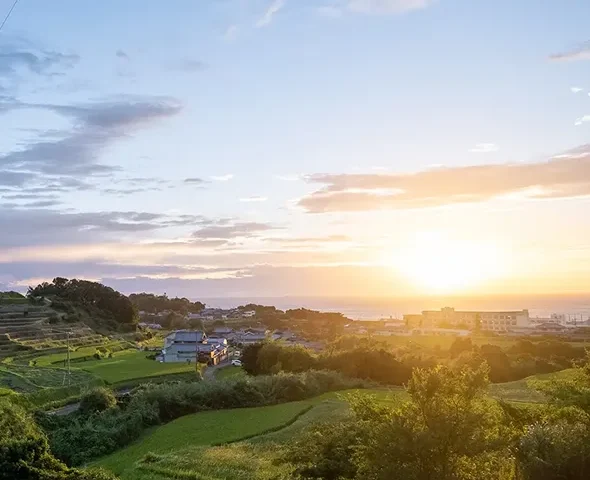
Awaji Island is one of western Japan’s interesting destinations, known for its unique blend of mythology, nature, local cuisine, and modern attractions. Although it is easily accessible from Kobe and Osaka, many travelers know surprisingly little about the island beyond its famous bridges.
Whether you’re planning a visit or simply curious about its location, this guide covers everything you need to know—from where Awaji Island is and how to get there to its geography, history, population, economy, and the attractions that make it a unique part of Hyogo Prefecture.
Table of Contents
Where Is Awaji Island?
Where is Awaji Island in Japan? Awaji Island is located in western Japan, in Hyogo Prefecture, between the islands of Honshu and Shikoku. It sits at the eastern entrance to the Seto Inland Sea, bordered by Osaka Bay, the Harima-nada Sea, and the Kii Channel.
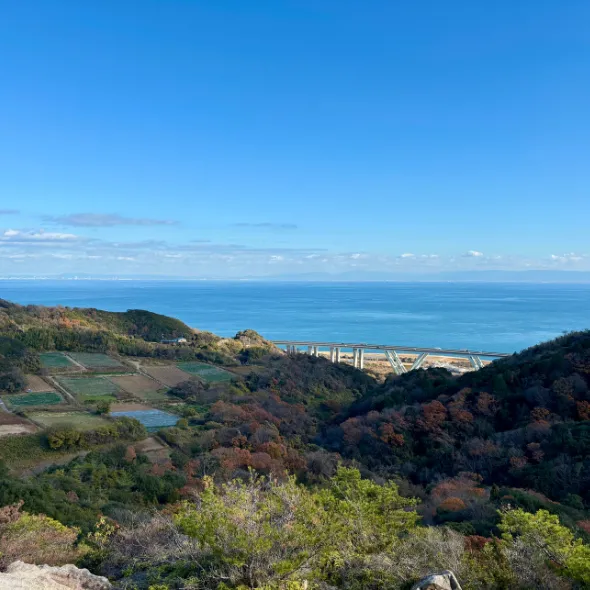
Thanks to its strategic location, Awaji Island serves as a natural gateway between Honshu and Shikoku. Today, it is connected by two impressive bridges: the Akashi Kaikyo Bridge, which links the island with Kobe, and the Onaruto Bridge, connecting it to Tokushima on Shikoku.
Despite its peaceful atmosphere, Awaji Island is surprisingly accessible. Visitors can reach the island from central Kobe in around 30 minutes by car or highway bus, while Osaka is approximately one hour away.
Geography and Natural Features of Awaji Island
Awaji Island covers approximately 592 square kilometers (229 square miles), making it the largest island in the Seto Inland Sea. Its landscape ranges from forested mountains and fertile farmland to sandy beaches and dramatic coastlines, with Mount Yuzuruha (608 meters) as the island’s highest peak.

The island enjoys a mild Seto Inland Sea climate, with warm, humid summers and relatively mild winters. Spring and autumn bring comfortable temperatures and colorful seasonal scenery, making them especially popular times to visit.
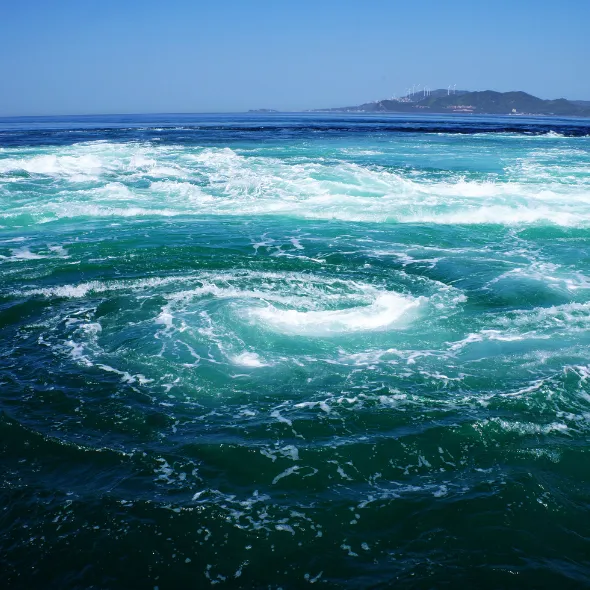
Surrounded by the Seto Inland Sea, Osaka Bay, and the Kii Channel, Awaji Island is known for its rich natural beauty. One of its most famous landmarks is the Naruto Strait, where powerful tidal currents create spectacular Naruto Whirlpools. The island’s fertile soil also supports thriving agriculture, including its famous sweet Awaji onions and seasonal flower fields.
Awaji Island Cities, Population, and Administration
Municipalities and Population
Looking at an Awaji Island map helps explain why the island has played an important role throughout Japanese history. Stretching approximately 50 kilometers (31 miles) from north to south, it is the largest island in the Seto Inland Sea.
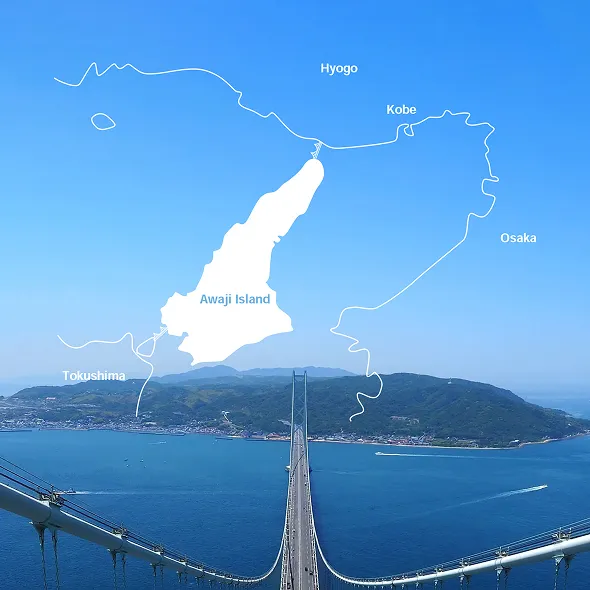
Awaji Island is part of Hyogo Prefecture and is divided into three municipalities: Awaji City in the north, Sumoto City in the center, and Minamiawaji City in the south. Together, they are home to approximately 130,000 residents. While the island has an aging population, agriculture, fishing, and tourism continue to support local communities and the regional economy.
Why Awaji Island Is Important to Hyogo Prefecture
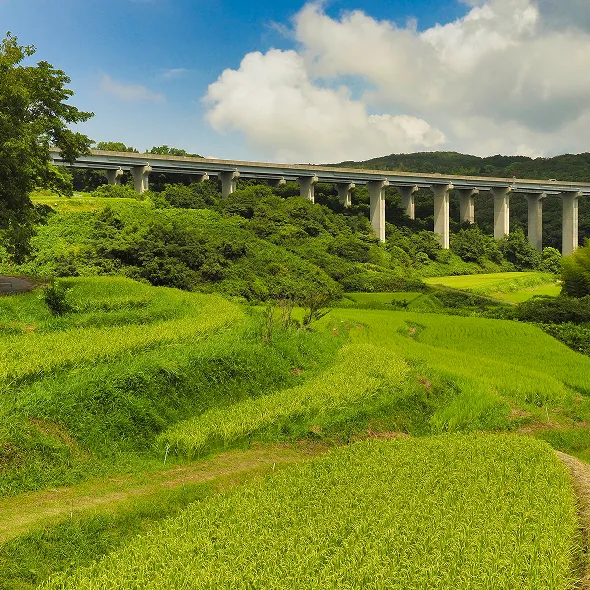
Awaji Island is widely recognized as one of Japan’s leading agricultural regions. Its fertile soil and mild climate support the production of Awaji onions, renowned for their sweetness, along with lettuce, rice, citrus fruits, dairy products, and premium Awaji Beef (Wagyu). Surrounded by the Seto Inland Sea, the island also has a thriving fishing industry, supplying fresh seafood such as sea bream, octopus, conger eel, and whitebait. With a food self-sufficiency rate exceeding 100%, Awaji has long been regarded as one of Japan’s important food-producing regions.
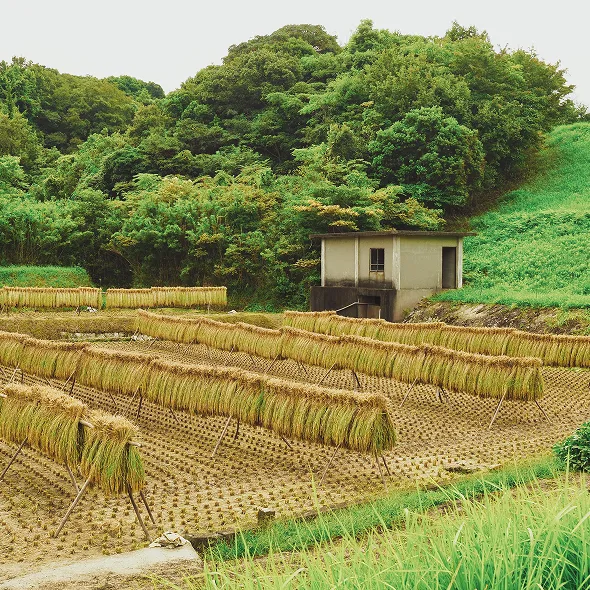
Beyond agriculture and fisheries, tourism is a major driver of the local economy. Visitors come to experience natural attractions, hot springs, architecture, theme parks, and local cuisine, while educational institutions and hospitality businesses continue to attract both domestic and international residents. Historically, Awaji was also known as Miketsukuni (“Land of Food”), supplying high-quality ingredients to the Imperial Court, a legacy that continues to shape the island’s reputation today.
Awaji Island History and Mythology
Awaji Island holds a unique place in Japanese culture as both a historic crossroads and the legendary birthplace of Japan. For centuries, its strategic location between Honshu and Shikoku made it an important center for trade, transportation, and cultural exchange. Today, visitors can still experience this rich heritage through its historic sites, shrines, and traditions.
Birthplace of Japan According to Mythology
According to Japan’s oldest chronicles, the Kojiki and the Nihon Shoki, Awaji Island was the first island created by the deities Izanagi and Izanami during the creation of Japan. This story has earned Awaji the title of the “Birthplace of Japan” and continues to shape the island’s cultural identity.
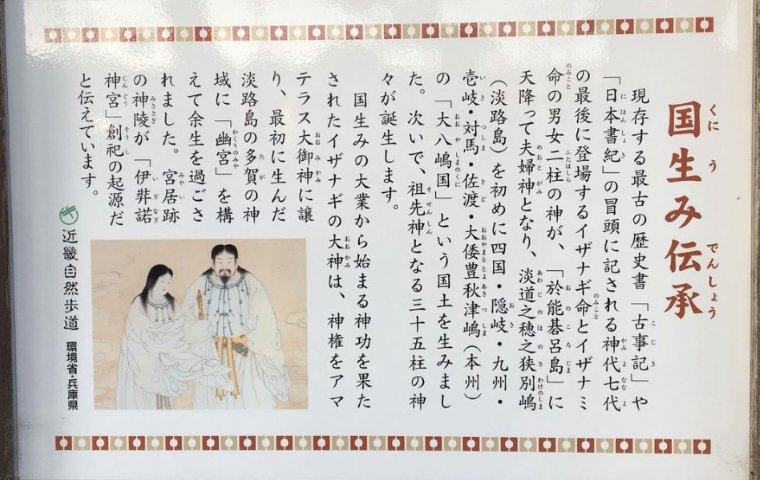
One of the most important places connected to this legend is Izanagi Shrine, dedicated to Izanagi and traditionally regarded to be Japan’s oldest shrine. It remains a popular destination for visitors interested in Japanese mythology, history, and spiritual traditions.
Historical Facts
Beyond mythology, Awaji Island has played an important role throughout Japanese history. During ancient times, its location along major sea routes made it a key hub for trade and transportation in the Seto Inland Sea. The island was also known as Miketsukuni (“Land of Food”) for supplying seafood, salt, and other delicacies to the Imperial Court.
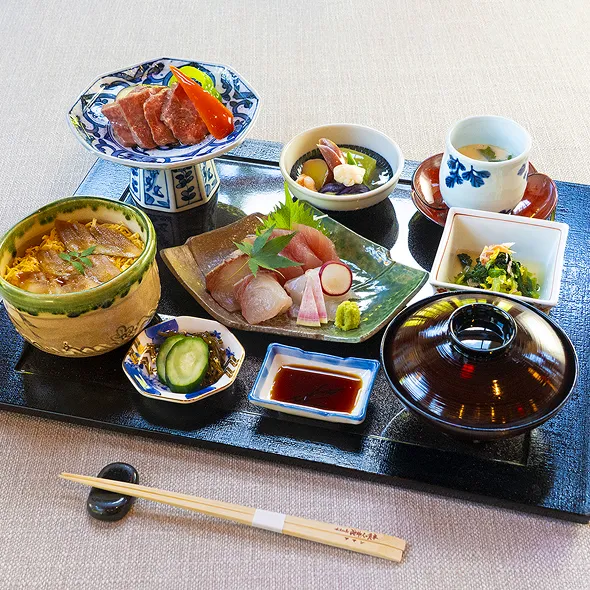
During the Edo period, agriculture, fishing, and maritime trade flourished, laying the foundation for many of the island’s traditional industries. Following the Great Hanshin earthquake in 1995, improved infrastructure and the opening of the Akashi Kaikyo Bridge strengthened connections with the mainland and accelerated tourism development. Today, Awaji Island is known not only for its history and mythology but also for its modern attractions, architecture, resorts, and cultural experiences.
Tourism and Popular Attractions
Awaji Island is one of the Kansai region’s most diverse travel destinations, offering a mix of nature, culture, entertainment, and local cuisine. Visitors can enjoy everything from coastal parks and historic shrines to world-class architecture and family-friendly attractions, making the island ideal for day trips and overnight stays.
Family Attractions and Entertainment
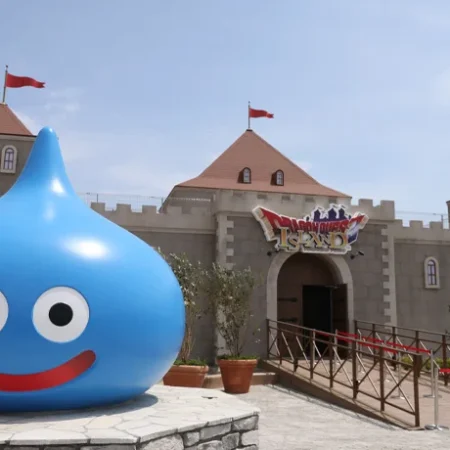
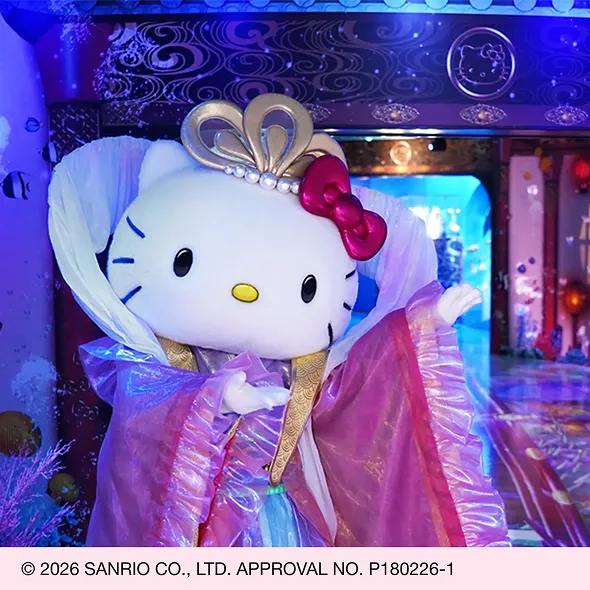
Awaji Island is home to several unique attractions, including Nijigen no Mori, an anime-themed park featuring attractions inspired by popular series, and the oceanfront Hello Kitty attractions:
HELLO KITTY SMILE, HELLO KITTY SHOW BOX, and HELLO KITTY APPLE HOUSE.
Food, Nature, and Relaxation
The island is equally popular for its scenic dining and resort experiences. Visitors can sample fresh local ingredients at destinations such as Aman no Shokutaku – Sajiki, Ocean Terrace, and the restaurants of SEIKAIHA, while wellness retreats like Zenbo Seinei and luxury accommodations, including GRAND CHARIOT Hokutoshichisei 135° and THE PASONA natureverse retreat, showcase the island’s growing reputation as a premium resort destination.
Pasona Group and Regional Revitalization
Since 2008, Pasona Group has played a major role in Awaji Island’s revitalization by developing attractions, restaurants, wellness facilities, and educational initiatives that create jobs and attract new residents. The company’s projects span tourism, agriculture, arts, health, and hospitality, helping transform the island into a destination for both leisure and business.
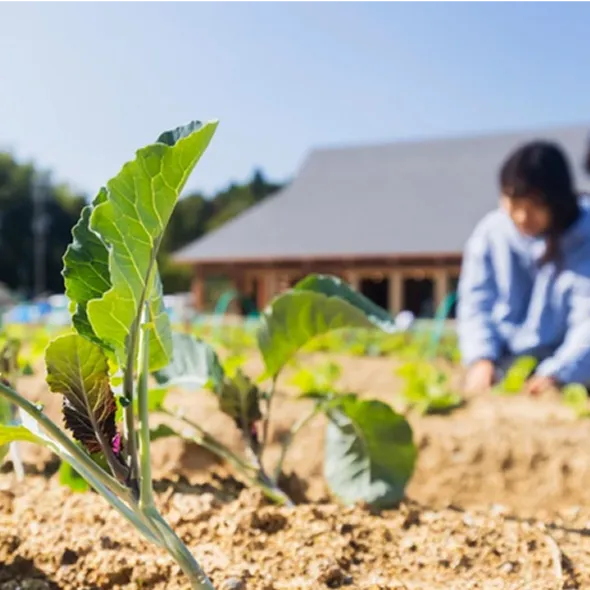
Awaji Island has also become one of the destinations for corporate meetings, conferences, and retreats. With oceanfront resorts, dedicated meeting spaces, wellness programs, and team-building experiences, businesses can combine productive events with local cuisine, nature, and cultural activities in a relaxed setting.
Closing
Now that you know where Awaji Island is, its history, geography, and what makes it unique, it’s time to start planning your visit. Whether you’re interested in mythology, coastal scenery, local cuisine, family attractions, or contemporary architecture, Awaji Island offers experiences for every type of traveler.
Ready to explore the island? Continue to our Things to Do on Awaji Island guide for the top attractions, seasonal highlights, and itinerary ideas to help you plan your trip.