

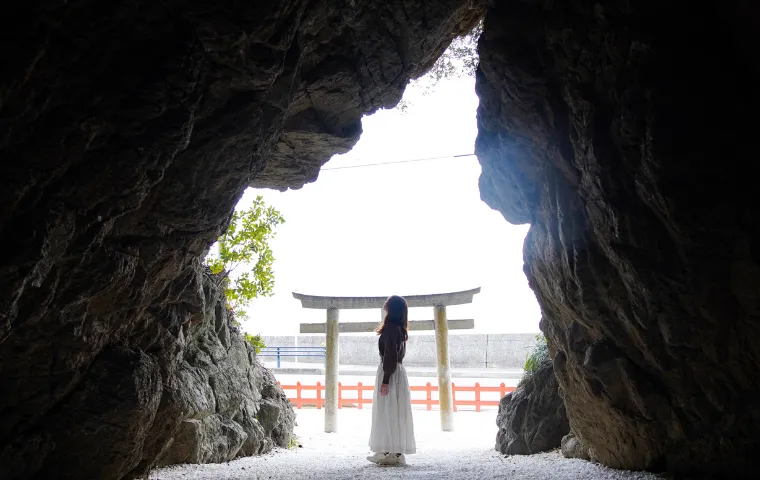
Awaji Island is a resort destination close to the city, and a hidden gem that is still largely undiscovered outside Japan.
Though modest in size, Awaji Island offers a remarkable diversity of experiences in the heart of the Kansai region, nestled between Honshu and Shikoku. This strategic location has shaped its history, culture, and cuisine for centuries. Today, it remains a unique destination where ancient traditions, natural beauty, exceptional local cuisine, and modern attractions come together.
Blessed with a mild climate, magnificent ocean scenery, and an abundance of local ingredients, Awaji Island offers visitors the chance to experience authentic Japanese culture while enjoying a relaxing island escape.
Table of Contents
- Where is Awaji Island?
- 3 Reasons to Visit Awaji Island
- The Island Where Japan Began
- A Strategic Island Through the Samurai Era
- Natural Wonders, Beautiful Scenery, and Local Flavors
- Where Architecture Meets Nature
- Family-Friendly Attractions and Entertainment
- Stay in Extraordinary Accommodations
- Discover a Different Side of Japan
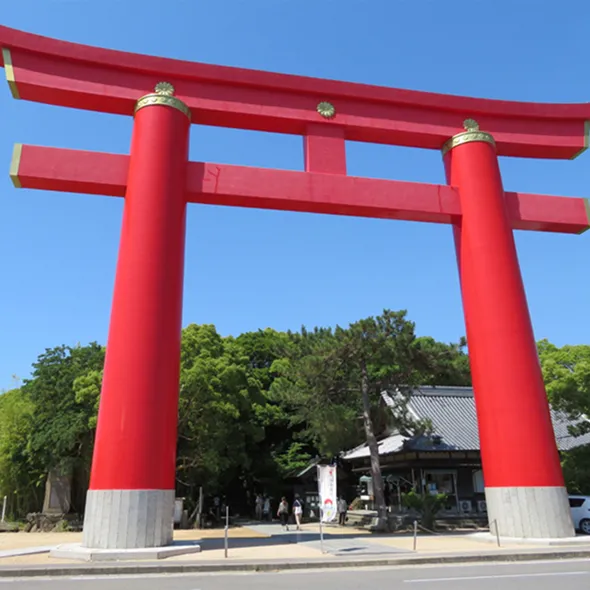
Where is Awaji Island?
3 Reasons to Visit Awaji Island
Easy Access from Major Cities
Just 1 hour from Osaka and only 30 minutes from Kobe, Awaji Island is one of Japan’s most accessible resort destinations. Connected to the mainland by the Akashi Kaikyo Bridge (which has a second name, Pearl Bridge, for its beautiful appearance and illumination), the island is also easily reached from Kansai International Airport by express buses.
Despite its convenient location, Awaji Island feels far removed from the crowds and fast pace of the city, making it an ideal destination for a day trip, weekend getaway, or longer vacation.
The Birthplace of Japan
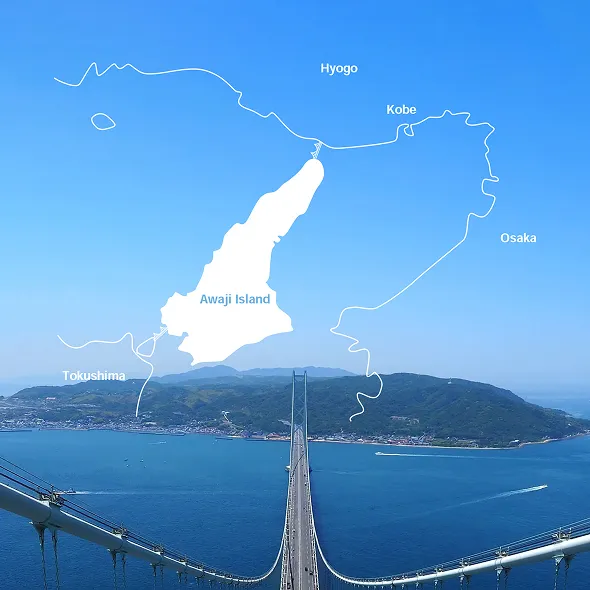
According to Japanese mythology, Awaji Island was the first island created by the deities Izanagi and Izanami. This story appears in Japan’s oldest historical texts, the Kojiki and Nihon Shoki, earning Awaji Island the nickname “The Birthplace of Japan.”
Today, visitors can explore sacred sites, ancient shrines, and cultural landmarks that preserve this connection to Japan’s origins.
A Well-Being Island
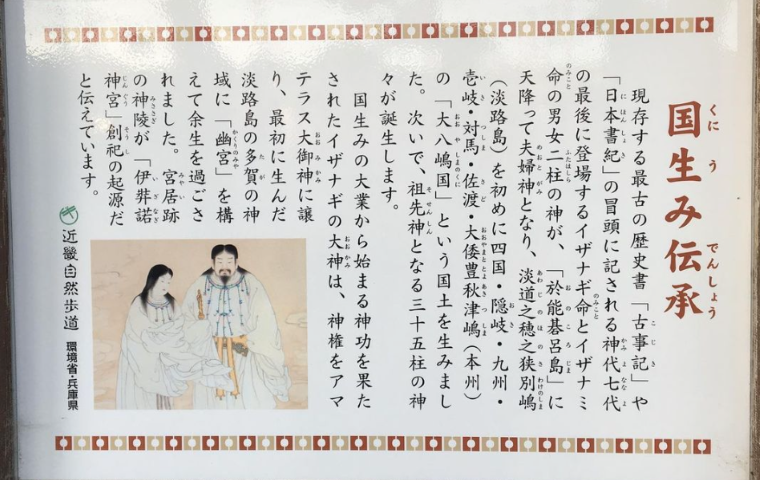
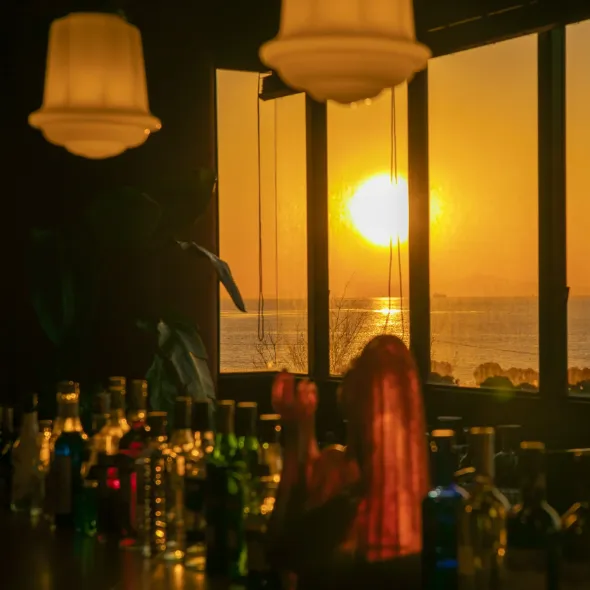
Surrounded by the sea and blessed with peaceful landscapes, Awaji Island offers the perfect environment to slow down and recharge.
Whether enjoying ocean views, practicing meditation and yoga, walking through flower fields, or simply watching the sunset, visitors can reconnect with nature and themselves at a gentle pace.
The island is also home to wellness-focused facilities and experiences designed to support both physical and mental well-being.
The Island Where Japan Began
One of the reasons Awaji Island feels so special is its deep connection to Japanese history and mythology.
According to the Kojiki and Nihon Shoki, Awaji Island was the first island created by the gods Izanagi and Izanami. Because of this, many people consider it the birthplace of Japan.
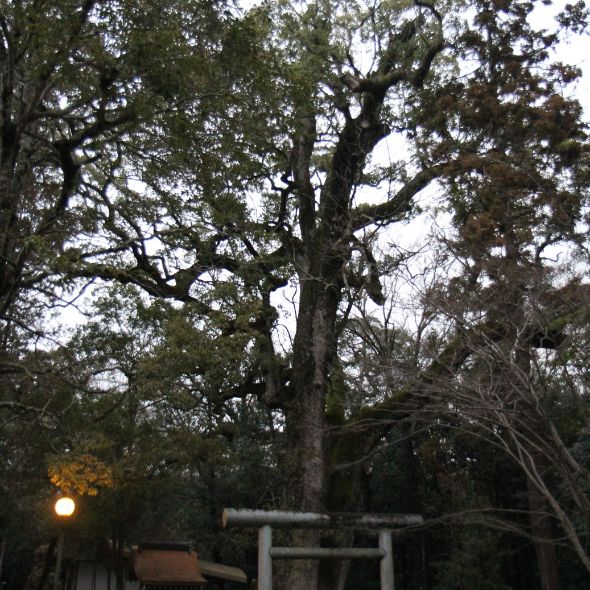
This spiritual heritage can still be felt today at Izanagi Jingu, one of Japan’s oldest Shinto shrines. Dedicated to Izanagi no Mikoto, the shrine is home to a sacred camphor tree estimated to be more than 900 years old. Walking through the shrine grounds offers a rare opportunity to experience the atmosphere of Japan’s ancient past.
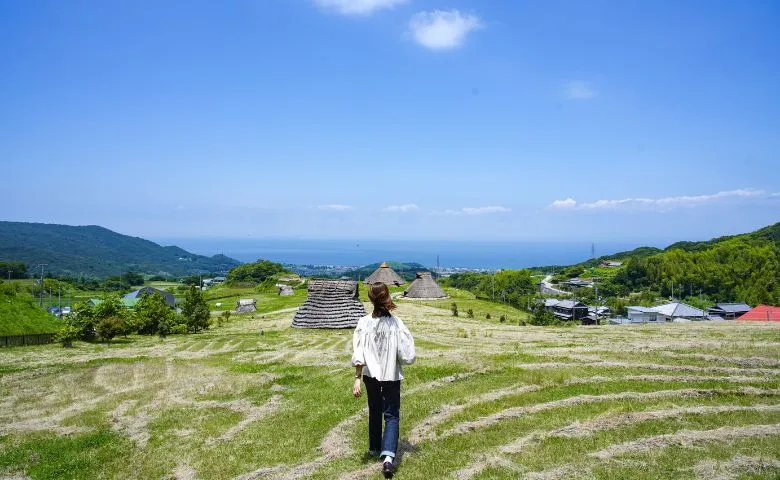
Awaji Island is not only a place of myth. It is also a place of real history. At the Gossa Kaito Iseki ruins, visitors can see traces of life from the Yayoi Period, including a restored pit-house workshop and iron artefacts that reveal how people lived and worked nearly 2,000 years ago.
Traditional craftsmanship also remains an important part of island life. Awaji tiles, known for their beauty and durability, have been produced here for centuries. Visitors can even try making their own tile crafts and experience this local tradition firsthand.
A Strategic Island Through the Samurai Era
Awaji Island played an important role throughout Japan’s feudal period.
Because it sits between Honshu and Shikoku, the island controlled important sea routes through the Seto Inland Sea. For centuries, military leaders, merchants, and travelers passed through Awaji, making it a valuable strategic location.
During the Sengoku Period, often called Japan’s Age of Samurai Wars, powerful clans fought to control the island and the surrounding waterways. Whoever controlled Awaji Island and Sumoto Castle gained access to important trade routes and military passages linking western Japan.
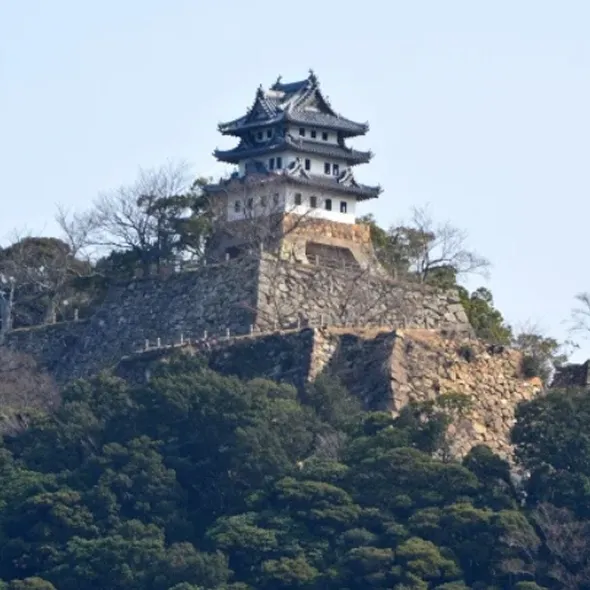
The island later became part of the domain system established during the Edo Period, continuing to serve as an important transportation and cultural hub connecting different regions of Japan.
Today, visitors can still discover traces of this history through local castles, temples, shrines, and historical sites scattered across the island.
Natural Wonders, Beautiful Scenery, and Local Flavors
Nature is one of the reasons Awaji Island stands out. Surrounded by the sea and blessed with a mild climate, the island offers dramatic coastlines, beautiful beaches, rolling hills, and some of Japan’s most memorable ocean views.
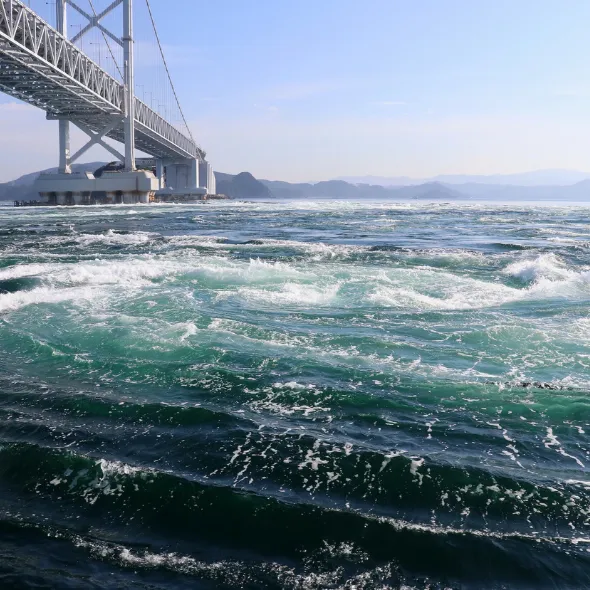
One of its most famous attractions is the Naruto Whirlpools, a spectacular natural phenomenon created by powerful tidal currents flowing through the Naruto Strait. The island is also known for its breathtaking sunsets. Along the west coast, often called the “Sunset Line,” visitors can watch the sun sink into the Seto Inland Sea, painting the sky in shades of orange, pink, and gold.
For centuries, Awaji Island has also been known as the “Mitsukuni” — “Land of Food”. Its fertile soil, clean water, and surrounding seas produce some of Japan’s finest ingredients, including sweet Awaji onions, fresh seafood, and premium Awaji Beef. Whether enjoying local cuisine at a seaside restaurant or tasting seasonal specialties from local farms, visitors quickly discover that food is an essential part of the Awaji Island experience.
This unique combination of natural beauty and rich agricultural traditions makes Awaji Island a destination that delights all five senses.
Where Architecture Meets Nature
Awaji Island is a hidden destination for architecture lovers. Here, world-famous architects have created spaces that blend seamlessly with the island’s natural beauty. Their works can be found among the coastlines, forests, gardens, and hills, making architecture part of the travel experience itself.
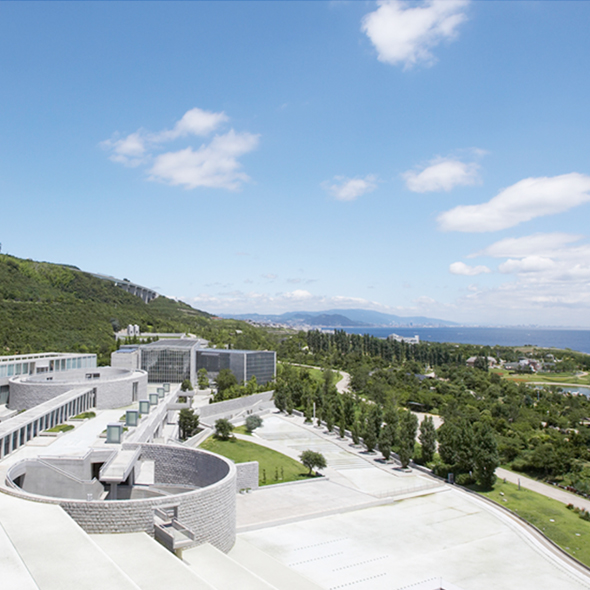
The island is home to several masterpieces by Tadao Ando, including Awaji Yumebutai and Honpukuji Water Temple. Designed in harmony with the surrounding landscape, these iconic works showcase Ando’s signature use of concrete, light, water, and geometric forms while encouraging visitors to connect with nature.
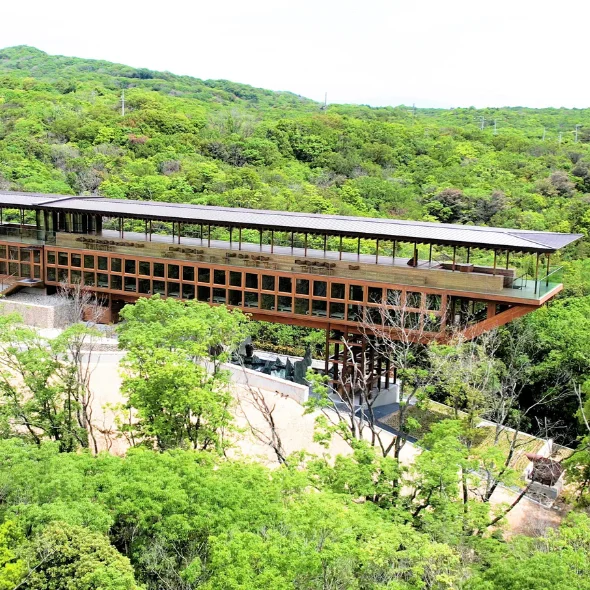
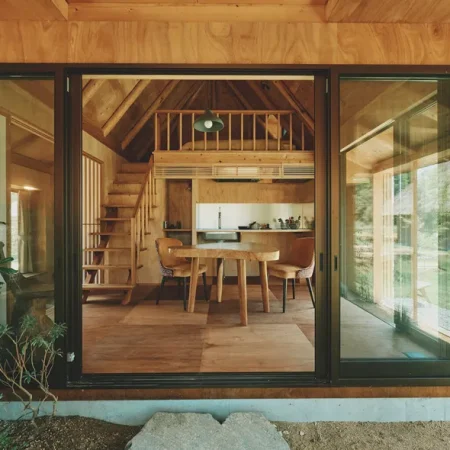
Awaji Island also features innovative designs by renowned architects such as Shigeru Ban and Souske Fujimoto. From wellness retreats and cultural facilities to modern resorts, their creations have helped transform the island into a destination where architecture, art, and nature come together in a uniquely Japanese way.
Family-Friendly Attractions and Entertainment
Awaji Island combines traditional culture, natural beauty, and exciting entertainment, making it a great destination for families, couples, and groups of friends.
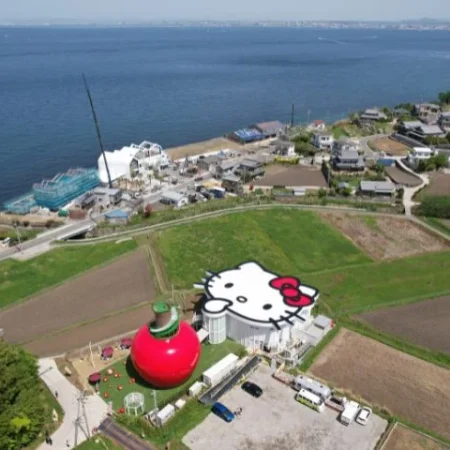
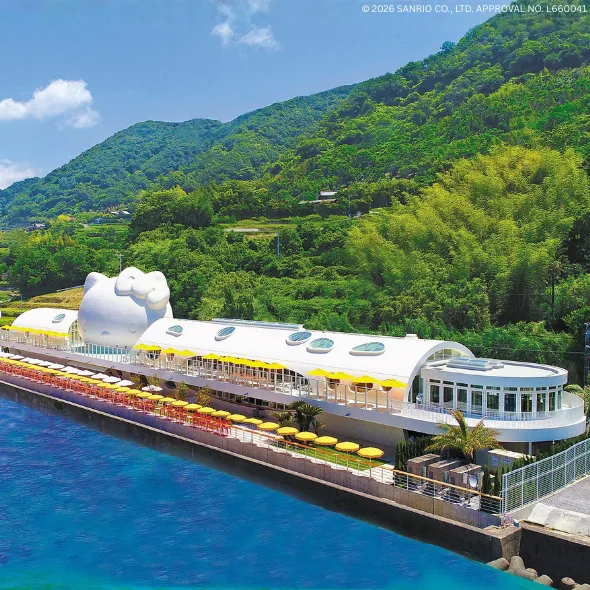
Fans of Japanese pop culture can visit HELLO KITTY SMILE and HELLO KITTY SHOW BOX, where Hello Kitty comes to life through immersive exhibits, live performances, themed dining, and unique photo opportunities. These attractions offer experiences that can only be found on Awaji Island.
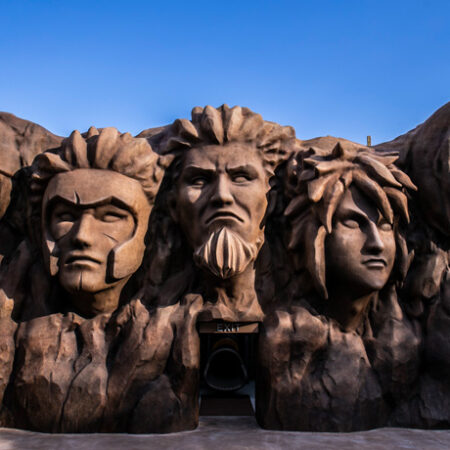
For adventure seekers, Nijigen no Mori brings the worlds of anime, manga, and games into reality. Visitors can battle faced with monsters at the Godzilla Interception Operation, train as a ninja in the NARUTO & BORUTO SHINOBI-ZATO area, take on missions in Dragon Quest Island, and explore other interactive attractions designed for both children and adults.
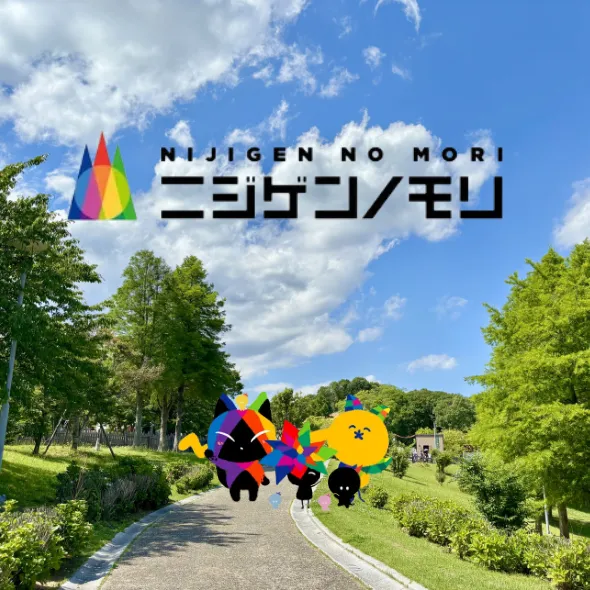
With character attractions, outdoor adventures, seasonal events, and hands-on experiences all in one destination, Awaji Island entertains every generation while creating unforgettable memories together.
Animal lovers can visit the Awaji Island Monkey Center, where around 350 wild Japanese macaques live freely in their natural habitat. Unlike a zoo, visitors can observe the monkeys up close as they interact, play, and roam the mountainside overlooking the sea, making it a fun and educational experience for both children and adults.
Stay in Extraordinary Accommodations
A visit to Awaji Island becomes even more memorable when you stay overnight.
Along the Awaji West Coast, Pasona Group has created a collection of unique accommodations that allow visitors to experience the island in different ways.
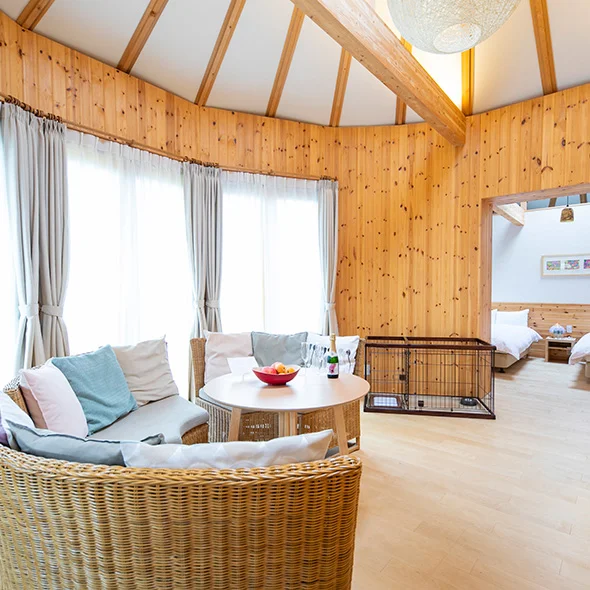
Grand Chariot Hokutoshichisei 135°
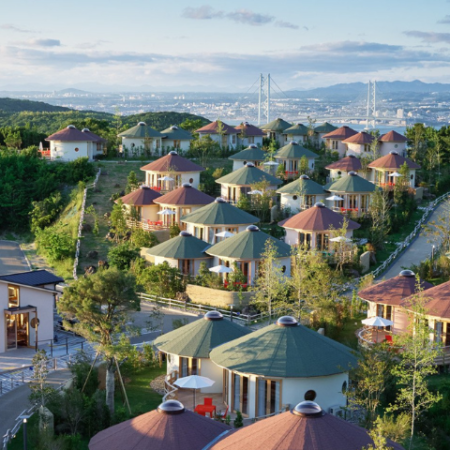
Nestled among the hills of Nijigen no Mori, Grand Chariot offers luxurious cocoon-style villas surrounded by nature. Guests can enjoy stunning views, star-filled skies, and gourmet cuisine made with local ingredients.
Zenbo Seinei
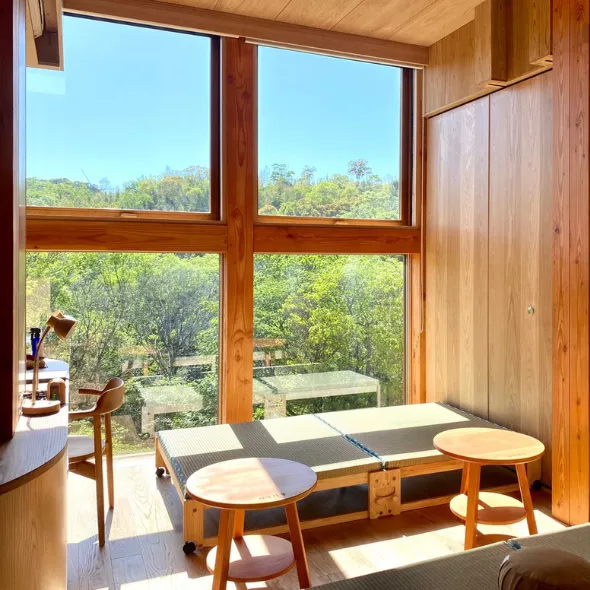
Designed by world-renowned architect Shigeru Ban, Zenbo Seinei is a wellness retreat dedicated to mindfulness, meditation, yoga, and healthy dining. It is an ideal place to slow down and reconnect with yourself.
THE PASONA Natureverse Retreat
Offering sophisticated resort-style accommodations overlooking the sea, The Pasona combines comfort, wellness, and breathtaking views in one elegant setting.

Senshin Waho
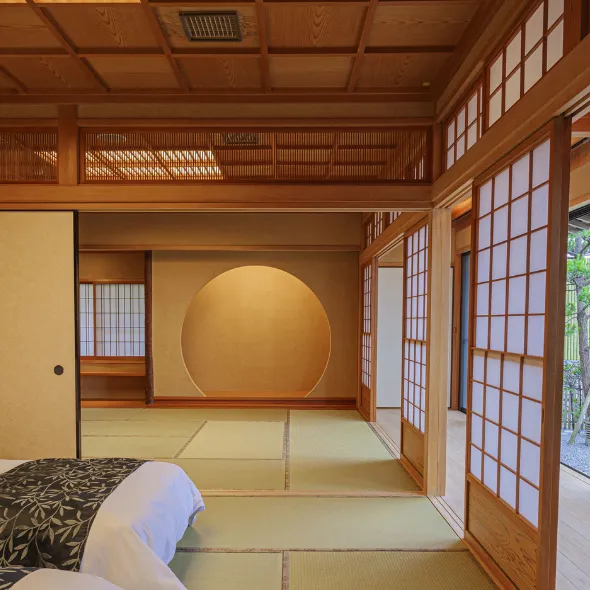
Inspired by traditional Japanese hospitality, Senshin Waho provides a refined stay focused on harmony, relaxation, and seasonal cuisine. Guests can experience the beauty of Japanese culture through carefully curated meals, Japanese or Western-style rooms , and peaceful surroundings, including a hot spring and Japanese garden. A serene Japanese‑style room featuring a garden outlook, modern bedding, and a traditional tokonoma alcove at a luxury ryokan on Awaji Island.
Discover a Different Side of Japan
Awaji Island is special because it brings together many sides of Japan in one destination.
It is the birthplace of Japanese mythology, a crossroads of history, a land of natural beauty, and a center for wellness and creativity. Here, ancient shrines stand near modern architecture; local traditions thrive alongside contemporary attractions, and breathtaking sunsets end days filled with discovery.
Whether you are visiting history, nature, food, culture, wellness, or family fun, Awaji Island offers an experience that feels both authentic and unforgettable.