

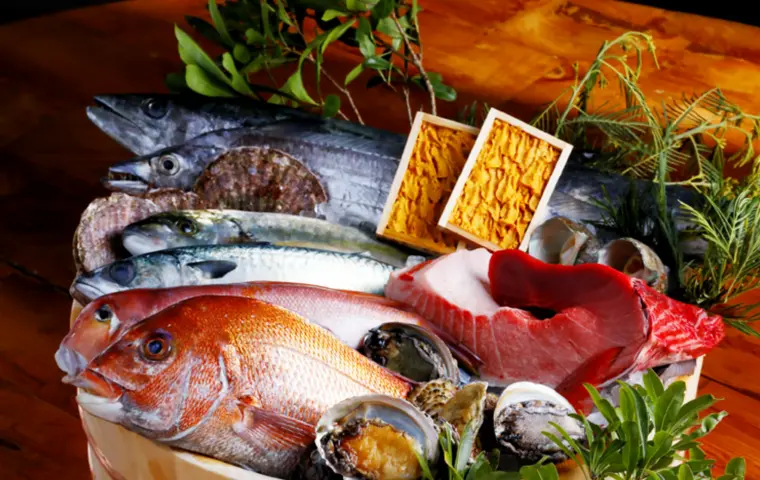
Nestled in the Seto Inland Sea, Awaji Island has long been celebrated as one of Japan’s premier culinary destinations. Known as “Miketsukuni”—the land of royal provisions—Awaji has supplied the Japanese Imperial Court with its bounty for centuries. Surrounded by nutrient-rich waters and blessed with a mild climate, the island enjoys an abundance of fresh seafood year-round.
What sets Awaji Island apart is not just the variety, but the exceptional quality of its catch: local fishermen bring in whitebait, cherry salmon, red sea bream, pike conger eel, and the prized three-year tiger pufferfish at the peak of their seasons. With generations of expertise and a deep respect for the sea, Awaji Island seafood is renowned for its freshness, delicate flavors, and unique local preparation styles—making this island a must-visit for anyone seeking the very best of Japanese seafood.
Table of Contents
Famous Awaji Island Seafood: Whitebait (Shirasu)
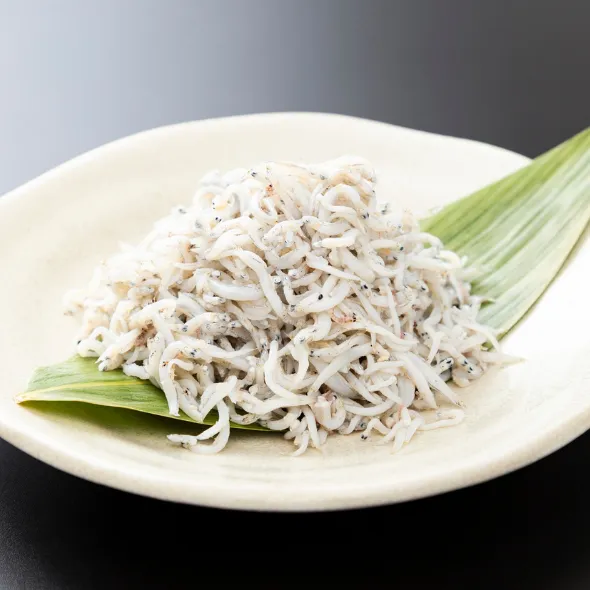
Awaji Island is especially famous for its whitebait, known locally as shirasu. Thanks to the island’s location at the meeting point of nutrient-rich ocean currents, its coastal waters provide the ideal environment for whitebait to thrive. The abundance and quality of Awaji’s shirasu are unmatched, with the fish harvested at their freshest from late April to late June.
What truly sets Awaji’s whitebait apart is the island’s commitment to preserving its delicate flavor and texture. Fishermen often flash-freeze the catch immediately after hauling it in, locking in its characteristic plumpness and translucent appearance. This dedication ensures that diners experience shirasu at its absolute peak—tender, slightly sweet, and with a gentle brininess that captures the essence of the sea.
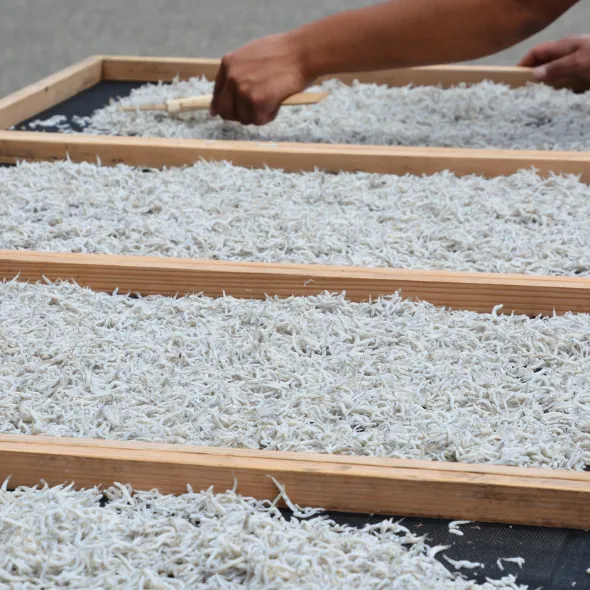
On Awaji Island, shirasu is enjoyed in a variety of ways. The most popular is as a topping for rice bowls (shirasu-don), where the whitebait is served raw or lightly boiled, often accompanied by fresh local vegetables and a splash of soy sauce. It also appears in sushi, salads, and even as a crispy tempura. For visitors wanting to take a taste of Awaji home, shirasu is a popular souvenir—available sun-dried or in jars, perfect for gifting or recreating island flavors in your own kitchen.
A Local Twist: Whitebait Pizza at miele
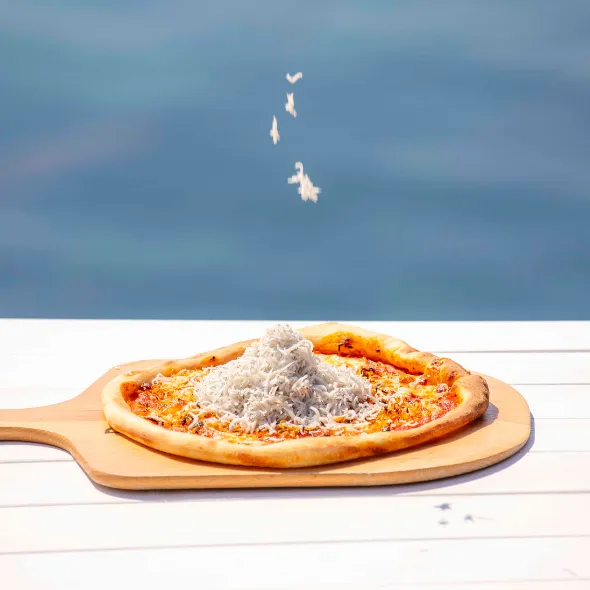
For a unique fusion of local tradition and modern creativity, don’t miss the whitebait pizza at miele, a popular seaside café on Awaji Island. This inventive dish brings together the island’s famously fresh whitebait with a crisp, wood-fired pizza base.
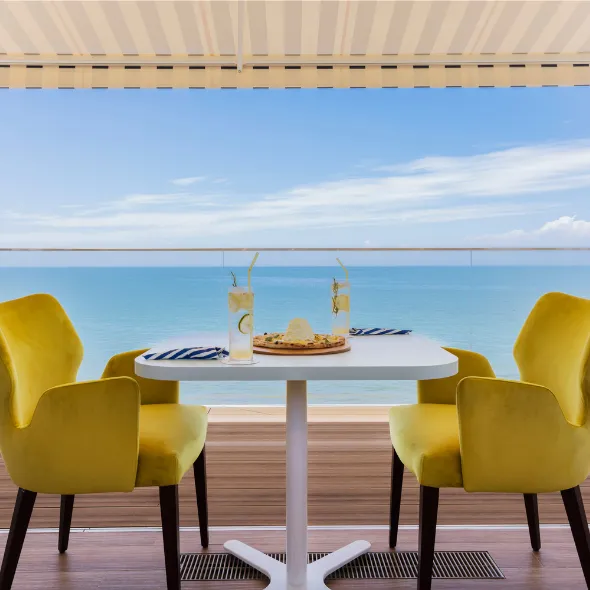
What makes the experience especially memorable is the generous table-side service: staff will heap as much whitebait as you want—up to a bowl’s worth—onto your pizza right at your table, only stopping when you say so. The result is a delicious blend of Italian and Japanese influences, with the natural saltiness and delicate flavor of the fish shining through each bite. miele’s shirasu pizza has become a must-try for visitors—pair it with ocean views for an unforgettable island dining experience.
Raw Whitebait Rice Bowls at Kaiou Ichiba, CRAFT CIRCUS
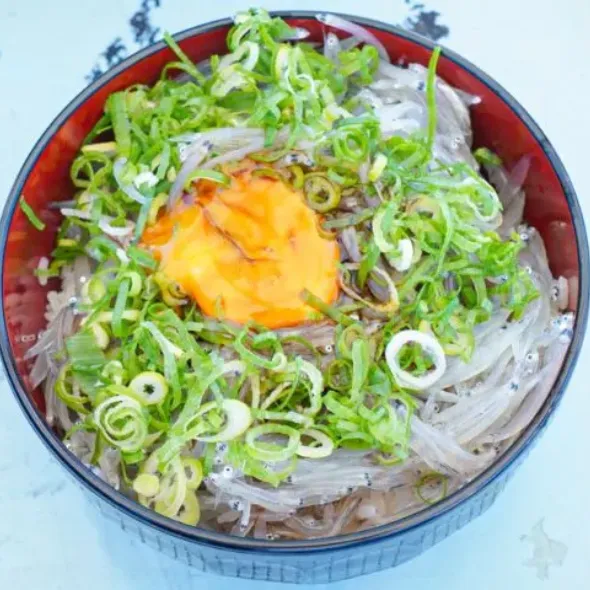
For a true taste of Awaji’s seafood, try the raw whitebait rice bowl (nama shirasu-don) at Kaiou Ichiba in the CRAFT CIRCUS complex. Here, just-caught shirasu is served over warm rice and topped with green onions, grated ginger, and soy sauce. The freshness and delicate flavor of the whitebait shine through in this simple, satisfying dish—made even better by the seaside setting and relaxed, open-air vibe. It’s an essential local experience for any seafood lover visiting the island.
Subtly Sweet Cherry Salmon (Sakuramasu)
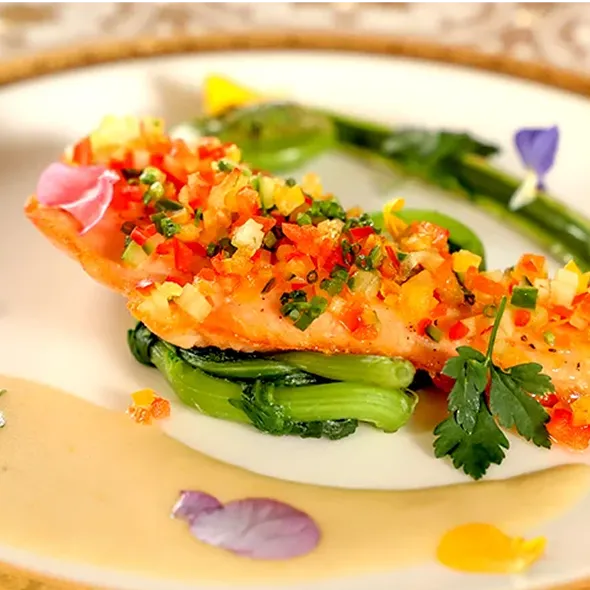
Cherry salmon, or sakuramasu, is another prized catch from Awaji Island’s waters. The island’s clean, fast-moving rivers and nutrient-rich sea create the ideal environment for these fish to thrive. Awaji’s cherry salmon are especially valued for their tender, pink flesh and delicate flavor.
The fish are typically caught in spring, when their meat is at its most flavorful. Local fishermen use traditional methods to ensure the salmon is as fresh as possible. The mild climate and clear streams of Awaji help the fish grow strong and healthy.
Cherry salmon from Awaji is often enjoyed as sashimi or grilled with a touch of salt. Its subtle sweetness and melt-in-your-mouth texture make it a seasonal highlight. Many visitors seek out sakuramasu dishes during spring, when the fish is at its peak.
Seasonal Cherry Salmon Dishes at SEIKAIHA Aonoya
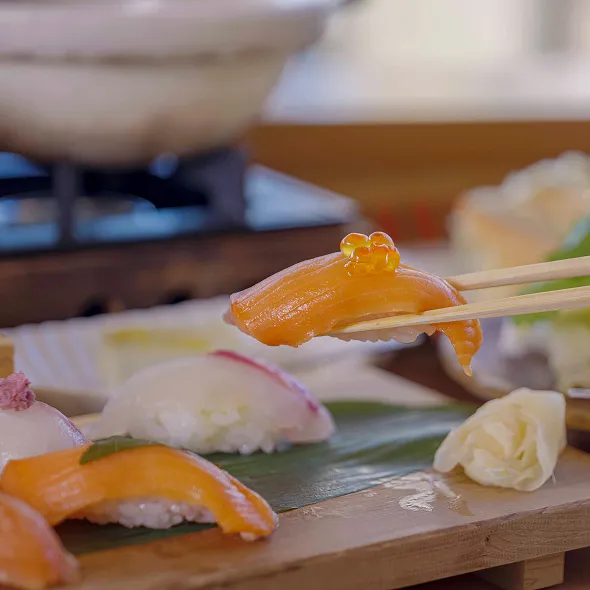
At SEIKAIHA Aonoya, cherry salmon is celebrated each spring as a seasonal highlight. Because sakuramasu is only available during the spring months, the restaurant’s menu changes every year to showcase the freshest catch in creative ways.
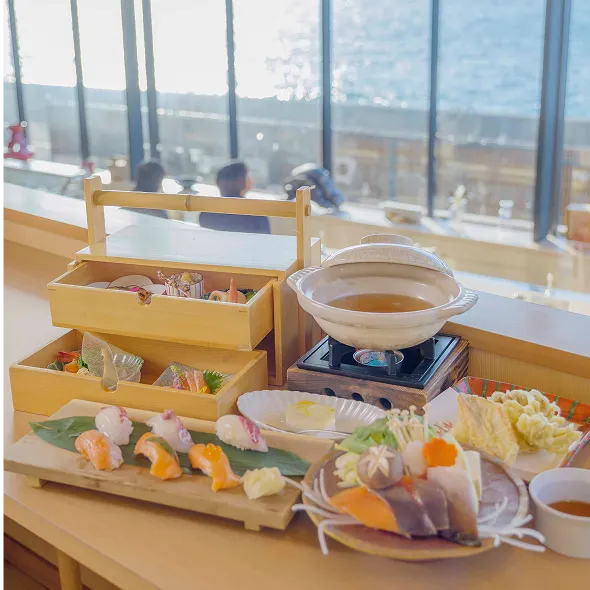
Past offerings have included cherry salmon sashimi, where the delicate, pink slices are served simply to let their flavor shine, as well as lightly grilled sakuramasu, which brings out the fish’s natural sweetness. You might also find cherry salmon paired with local vegetables or featured in a refined Japanese-style carpaccio. Each spring, SEIKAIHA Aonoya’s chefs craft new dishes to highlight the best of Awaji’s sakuramasu, making every visit a unique experience for seafood lovers.
Cherry Salmon Creations at Auberge French Forest
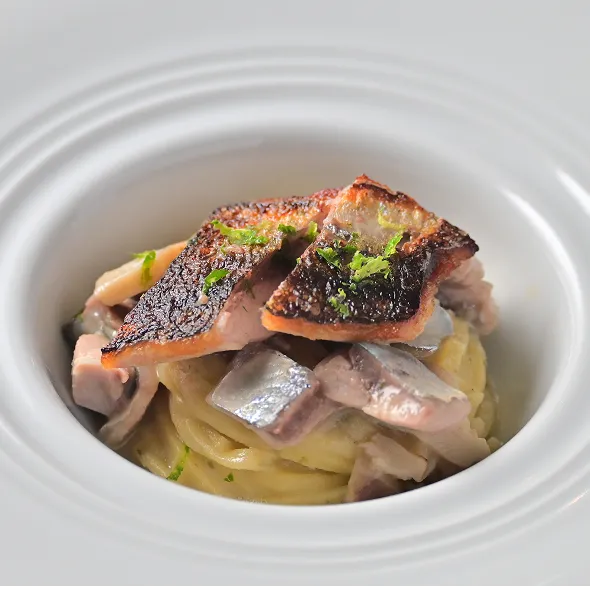
Auberge French Forest also highlights cherry salmon as a special spring ingredient. The restaurant’s chefs take inspiration from French cuisine, using sakuramasu in elegant, seasonal dishes that change each year.
Past menus have featured cherry salmon tartare, gently cured to enhance its delicate flavor, as well as sakuramasu poêlé—pan-seared and served with spring vegetables and light sauces. With a focus on freshness and creativity, Auberge French Forest crafts unique cherry salmon dishes each spring, offering guests a refined and memorable way to enjoy this prized local fish at its seasonal best.
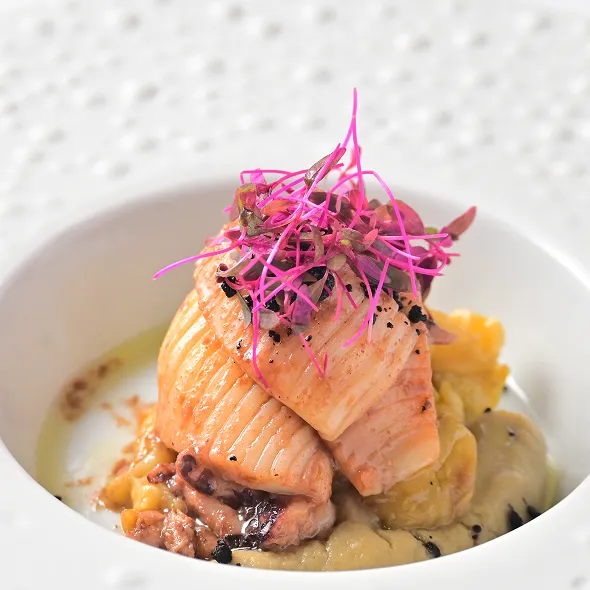
Dining at Auberge French Forest is a treat for all the senses. The restaurant is surrounded by a beautiful garden that comes alive in spring, with flowers and greenery creating a peaceful, picturesque setting. Large windows let in natural light and offer views of the lush landscape, adding to the relaxing and elegant atmosphere. It’s the perfect place to savor Awaji’s seasonal flavors in a tranquil, scenic environment.
Branded Awaji Island Seafood: Ebisu Sea Bream (Ebisu Dai)
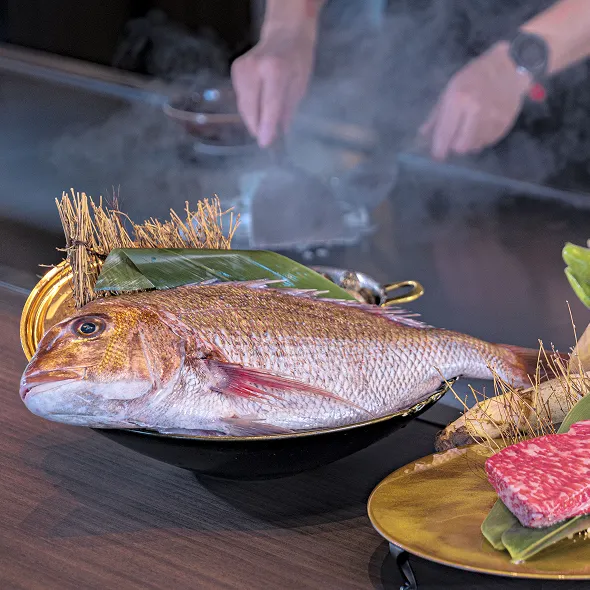
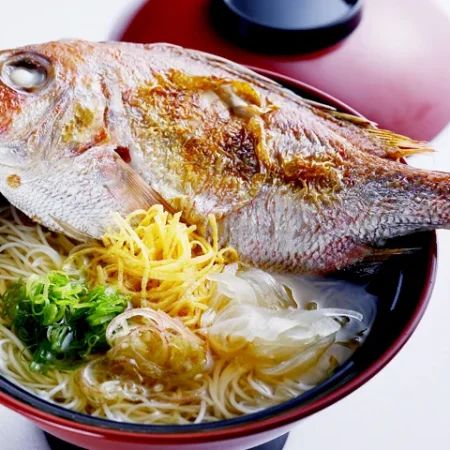
Ebisu sea bream, or “Ebisu Dai,” is a prized variety raised in Awaji Island’s clean, fast-moving waters. Thanks to careful cultivation and a nutrient-rich environment, the fish develops firm, rosy flesh and a delicate, sweet flavor. The taste is subtle, with a gentle umami and a fresh, clean finish.
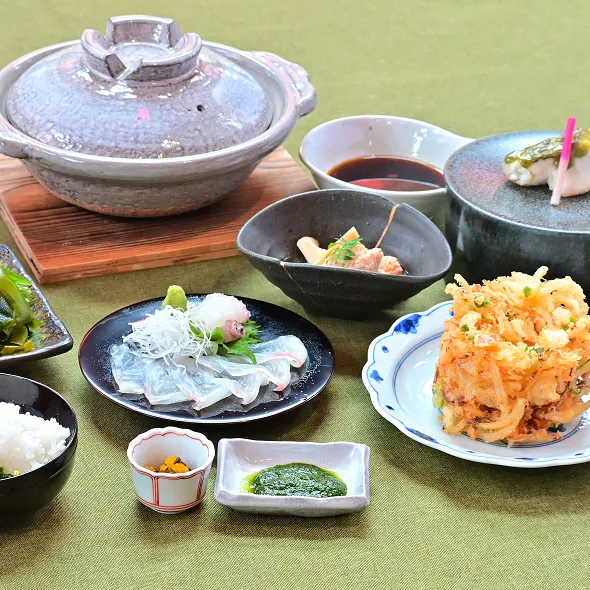
Ebisu Dai is perfect for sashimi, sushi, or simple grilling. Its refined flavor and tender texture make it a local favorite, especially for celebrations and special occasions. For seafood lovers, tasting Ebisu sea bream on Awaji Island is a true highlight.
Ebisu Sea Bream Dishes at SEIKAIHA Uminoya
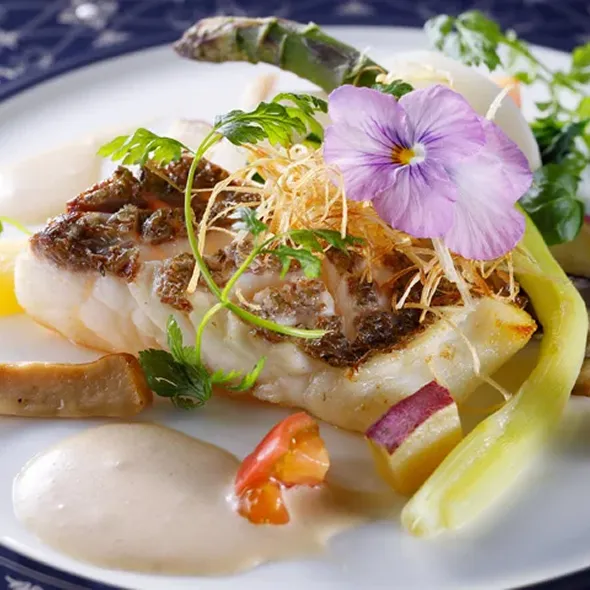
At SEIKAIHA Uminoya, Ebisu sea bream is a signature ingredient, featured in beautifully presented seasonal dishes. The restaurant often serves Ebisu Dai prepared as grilled sea bream, lightly salted to bring out its natural sweetness and umami. With its refined taste and elegant presentation, Ebisu sea bream at Uminoya offers a true taste of Awaji’s culinary excellence in a sophisticated, seaside setting.
A Kansai Specialty: Japanese Pike Conger Eel (Hamo)
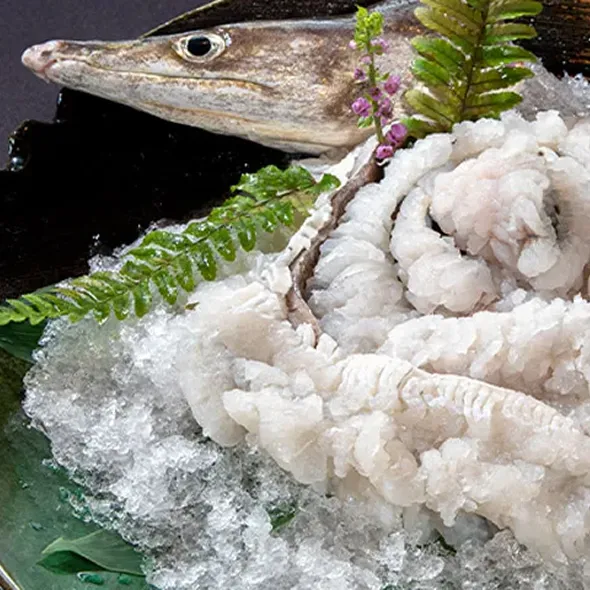
Japanese pike conger eel, or hamo, is a classic summer delicacy and a beloved specialty in the Kansai region, including Awaji Island. Hamo thrives in the island’s clean, fast-moving waters, where it develops firm, white flesh and a subtle, refined flavor.
The taste of hamo is mild and slightly sweet, with a delicate texture that almost melts in your mouth. Its flesh is prized for being both light and satisfying, making it especially refreshing during the hot summer months. Skilled chefs expertly prepare hamo by making fine cuts in the flesh, ensuring it is tender and easy to eat. Whether served as tempura, in a clear soup, or lightly grilled, hamo offers a uniquely elegant taste that highlights the best of Kansai’s seafood traditions.
Hamo Dishes at SEIKAIHA Aonoya
SEIKAIHA Aonoya celebrates hamo each summer with a selection of refined, seasonal dishes. The chefs expertly prepare hamo using traditional techniques, often serving it as delicate hamo sashimi or in a refreshing clear soup or hotpot that highlights the eel’s subtle sweetness. Lightly grilled hamo is also a favorite, offering a gentle smokiness that enhances its natural flavor. Each dish is carefully crafted to showcase the tender texture and mild taste of Awaji’s hamo, making a summer meal at Aonoya a memorable experience for seafood lovers.
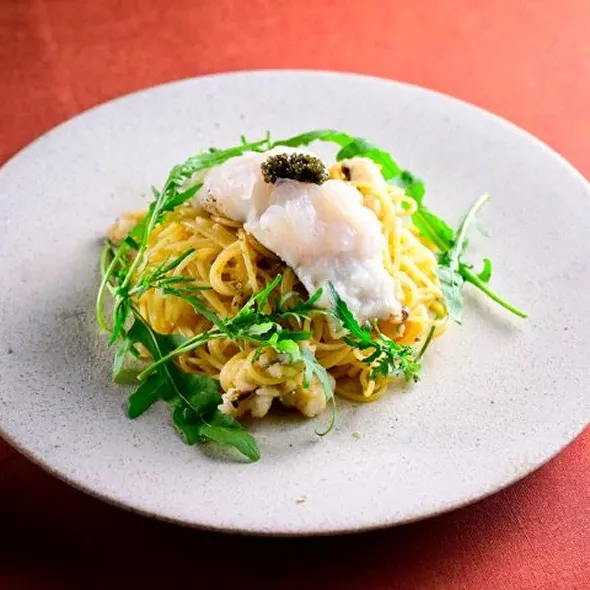
A Winter Delicacy: 3-Year Tiger Pufferfish (San-nen Torafugu)
The 3-year tiger pufferfish, or san-nen torafugu, is one of Awaji Island’s most sought-after winter delicacies. Unlike most farmed pufferfish, which are harvested after two years, Awaji’s torafugu are raised for three years in the island’s fast-moving, nutrient-rich waters. This extra year allows the fish to develop firmer flesh, richer flavor, and a refined, clean taste that sets it apart.
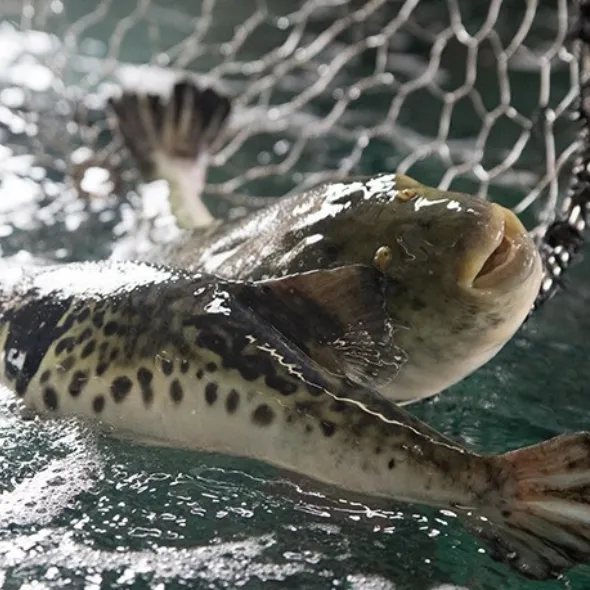
San-nen torafugu is prized for its delicate texture and subtle sweetness, with a pleasant firmness that seafood lovers appreciate. The flavor is mild and elegant, with a gentle umami that lingers on the palate. Expert chefs prepare the pufferfish with great care, serving it as thinly sliced sashimi (tessa), in hotpot (tecchiri), or lightly fried. Each preparation highlights the unique qualities of this premium winter specialty, making it a must-try for visitors during the colder months.
3-Year Tiger Pufferfish Meals at Aman no Shokutaku Utage
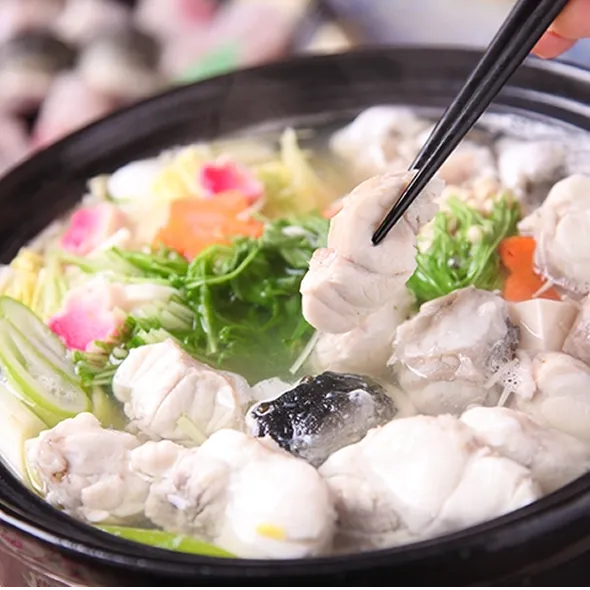
Aman no Shokutaku Utage specializes in authentic Awaji cuisine, highlighting the island’s freshest seasonal ingredients. The restaurant offers thoughtfully prepared dishes that showcase the unique flavors and culinary traditions of Awaji.
In winter, the restaurant offers special meals centered around the prized 3-year tiger pufferfish. The restaurant highlights the exceptional quality and flavor of san-nen torafugu with a variety of seasonal dishes, expertly prepared to showcase its delicate texture and clean taste.
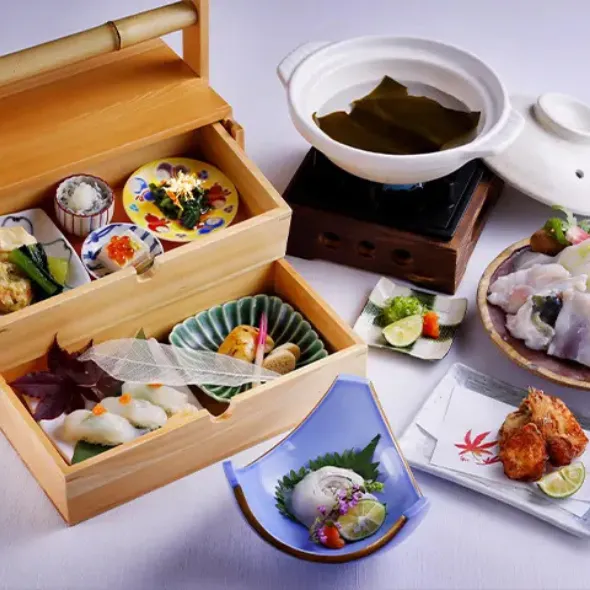
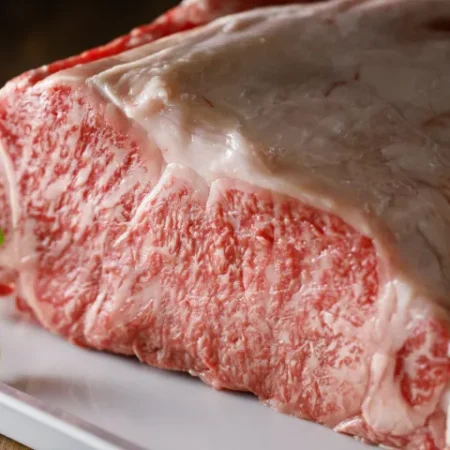
A standout offering this past winter was the beef and tiger pufferfish set meal. This course featured thinly sliced torafugu sashimi, hotpot with generous cuts of pufferfish, and lightly fried torafugu, each dish crafted to bring out the unique qualities of the fish. The set also included premium Awaji beef, creating a luxurious pairing of land and sea. Enjoying this special winter meal at Utage is a memorable way to savor two of Awaji’s most celebrated ingredients at their seasonal best.
Closing
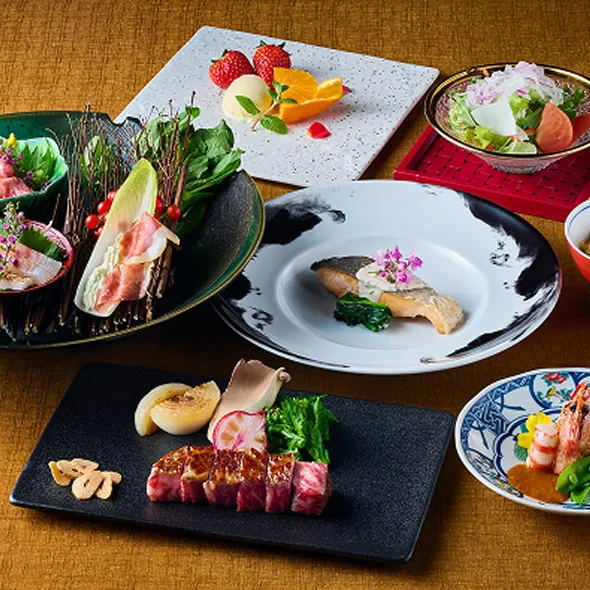
Awaji Island’s seafood is a true reflection of its natural bounty and deep culinary heritage. From delicate whitebait and seasonal cherry salmon to the luxurious Ebisu sea bream, pike conger eel, and three-year tiger pufferfish, each specialty offers a unique taste of the island’s waters. Whether you’re seeking traditional Japanese preparations or creative modern dishes, Awaji’s restaurants showcase the very best of local seafood at its seasonal peak.
To make the most of your visit—and to ensure you don’t miss these unforgettable flavors—be sure to make restaurant reservations in advance, especially during peak seasons. Treat yourself to an authentic Awaji Island seafood experience and discover why this island is a must-visit destination for food lovers.