
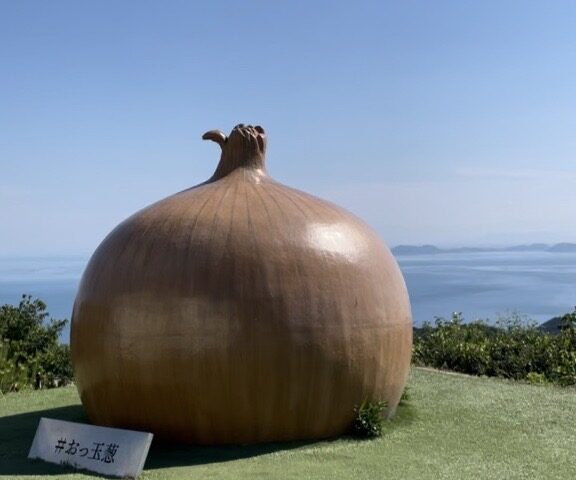
Table of Contents
What Is Awaji Island Known For?
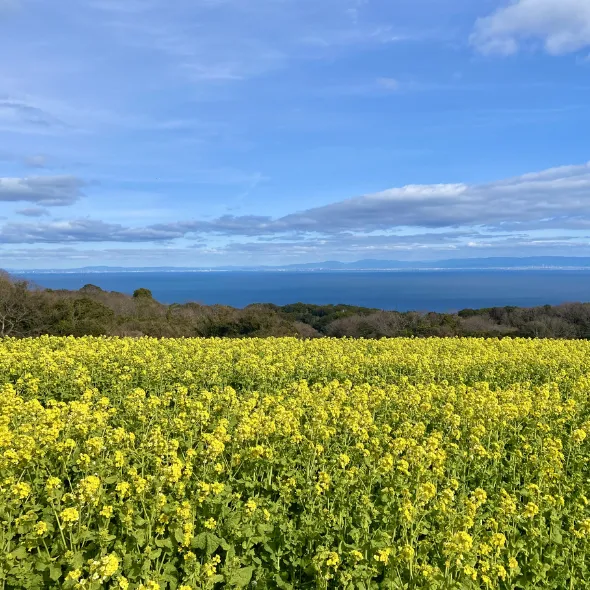
Tucked away in the heart of Hyogo prefecture lies a popular island getaway spot for Japanese locals. Just an hour from Osaka and Kobe, this island has it all – beaches, sunset views that are among the Top 100 in the country, deep ties to mythology as the birthplace of Japan, and a long history of having some of the best food Japan has to offer.
So, what is it primarily known for?
Its onions, of course.
No, seriously – ask anyone in Japan what first comes to mind when hearing “Awaji Island”, and they WILL say something along the lines of “Oh yeah, that’s where delicious Awaji Onions come from.” They’re revered nationwide, and now that my initial honeymoon phase of the neon Tokyo and Osaka life has worn off, I thought, why not- I’m going to Awaji Island, and I’m going to see for myself what makes these Awaji onions so special.
Awaji Island Onions, Part 1: A History Lesson
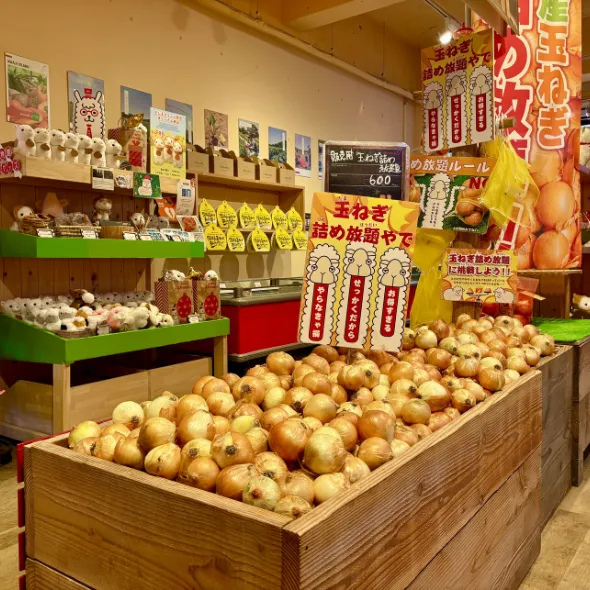
The late 1800’s was a period marked by rapid modernization throughout Japanese society, as the country turned from feudal clans to a unified industrial nation. With the sudden erasure of many foundations to Japanese society and an ancient way of life, many were left feeling uncertain as to the fate of Japan.
Oh, and… the first onions were planted on Awaji Island.
While initially the onions were sought after for ornamental purposes instead of culinary use, the first Awaji onions were planted in 1888 – and over the next ~140 years, Awaji became home to the legendary onions Japan knows and loves today.
Now, onions weren’t very popular in Japan at the time, as they were considered too spicy and smelly. But once a cholera outbreak began in Japan, people were desperate for a cure. So, a rumor began spreading that onions can help cure cholera. Naturally, the popularity of onions exploded, and combined with a newfound discovery that Awaji Island had the optimal climate and soil for cultivating onions, Awaji Island was destined to become the onion hub it is today.
Awaji Island Onions, Part 2: Why Are They So Good?
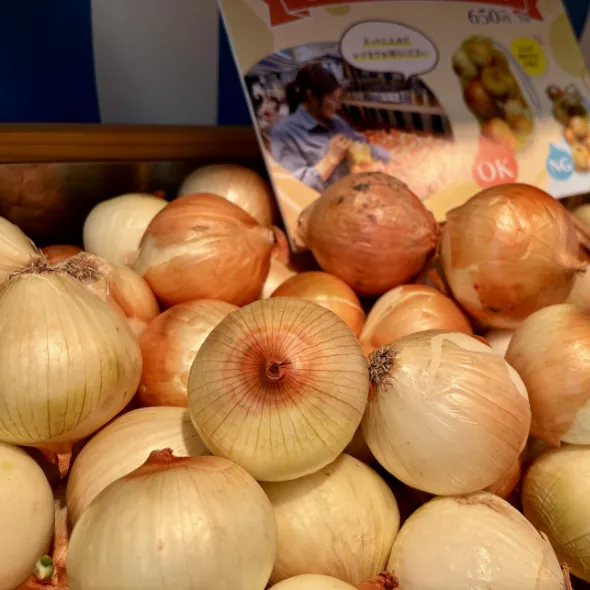
I mean, it’s just an onion. How could they be renown across Japan? What’s the secret?
As briefly mentioned earlier, Awaji Island has the perfect climate for growing onions.
First, Awaji Island’s warm, sunny tropical weather means onions can receive more sunlight. Second, the soil is rich in ocean minerals from the Seto Inland Sea carried by the sea breeze. Third, onion farmers on Awaji Island take great care in the growing process of Awaji onions, with some utilizing revolutionary techniques to keep growing onions throughout the winter by planting onions in rice paddies.
All in all, this combination results in an onion that’s bigger, sweeter, and less bitter. In fact, Awaji onions are said to be 1.4x sweeter than your average onion.
So, I Tried Awaji Island Onions…
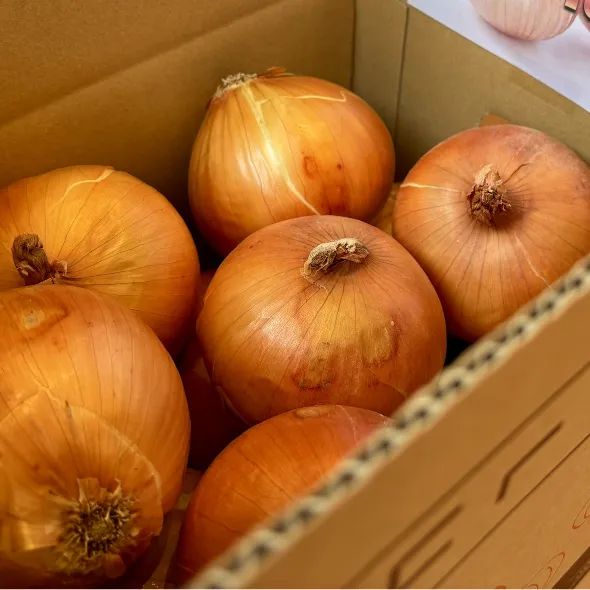
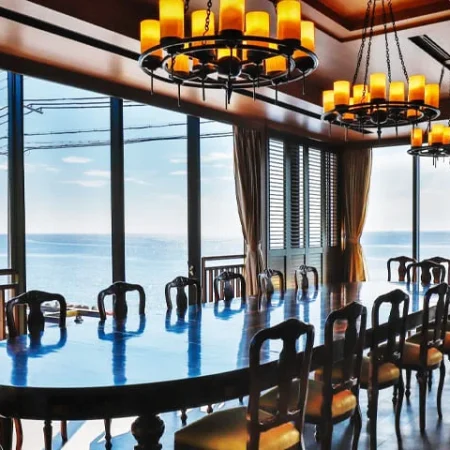
I made the grand pilgrimage to Awaji Island from Osaka to see for myself what the fuss was all about. I’m only going to experience Awaji onions for the first time once, so after much deliberation, I settled on a Japanese izakaya-type restaurant in the hills, called Aman no Shokutaku Utage. I saw it featured a whole grilled onion that I just had to try. The dish is JUST the onion, prepared to perfection (judging from the photo alone). Barreling past the colossal Akashi-Kaikyo bridge, the stunning view of Osaka Bay signaled a great start to my onion journey.

Aman no Shokutaku Utage is located in just ten minutes from Awaji Interchange, surrounded by Awaji Island’s lush nature. You can get there easily with Pasona’s free shuttle bus, which runs about once to twice every hour.
Once I sat down, I ordered the robata onion—an onion slow-grilled over hot charcoal. And just like that, there it was. I’d never gazed upon such a sight.
Okay, okay… yes, It’s just an onion.
But that’s just the thing. It’s just an onion. It wasn’t an accessory to something larger. No distractions. The sheer confidence of this dish was something I knew I could only find on Awaji Island.
Sure enough, this was the best onion I ever tasted, bar none. I never thought onions would ever be a criteria I judge in the culinary world, but it was undeniable – this was the best. Melt in your mouth isn’t something that’s ever applied to an onion, yet that’s how I’d describe it. Each sweet, savory layer easily peeled away to reveal the next.
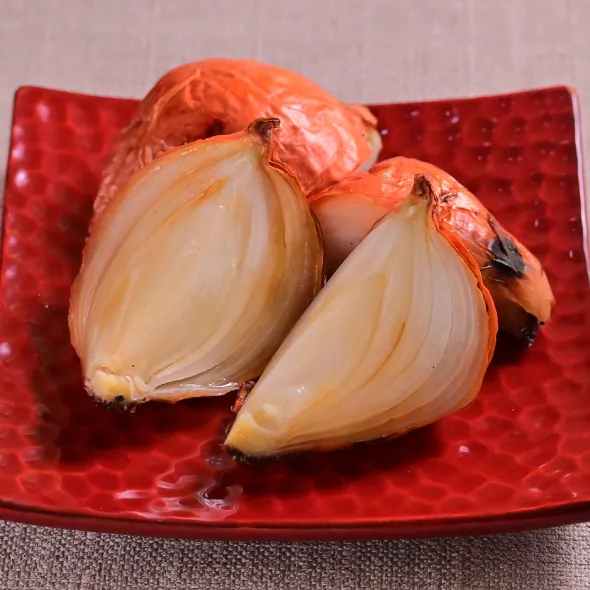
The rest of the meal was incredible, too. But I came for the onion, and I left satisfied. At last, I understand this country’s obsession with this island’s onions.
Click here for reservations (Utage)
Click here for reservations (Sajiki)
| Name | Aman no Shokutaku 1F Utage 2F Sajiki |
|---|---|
| Address |
1042 Nojima-Tokiwa, Awaji City, Hyogo Pref. 656-1726 |
| Tel | "Utage” 0799-70-9089 “Sajiki” 0799-70-9090 |
| Operation Hours | “Utage”: Weekdays 11:00~21:00 (L.O. 20:00) / Sat., Sun. & Holidays 10:30~21:00 (L.O. 20:00) “Sajiki” 11:00~15:00 / 17:00~21:00 (L.O.19:30) Closed: Tuesdays |
| Website | https://amannoshokutaku.jp/ |
| Reservations: Utage | https://www.tablecheck.com/en/shops/aman-utage/reserve |
| Reservations: Sajiki | https://www.tablecheck.com/en/shops/aman-sajiki/reserve |
| Review: Utage | https://www.tripadvisor.com/Restaurant_Review-g1022838-d24037141-Reviews-Aman_No_Shokutaku_Utage-Awaji_Awaji_shima_Hyogo_Prefecture_Kinki.html |
| Review: Sajiki | https://www.tripadvisor.jp/Restaurant_Review-g1022838-d24037394-Reviews-Aman_No_Shokutaku_Sajiki-Awaji_Awaji_shima_Hyogo_Prefecture_Kinki.html |
Click here for details of Aman no Shokutaku
The Verdict On Awaji Island, And Its Onions
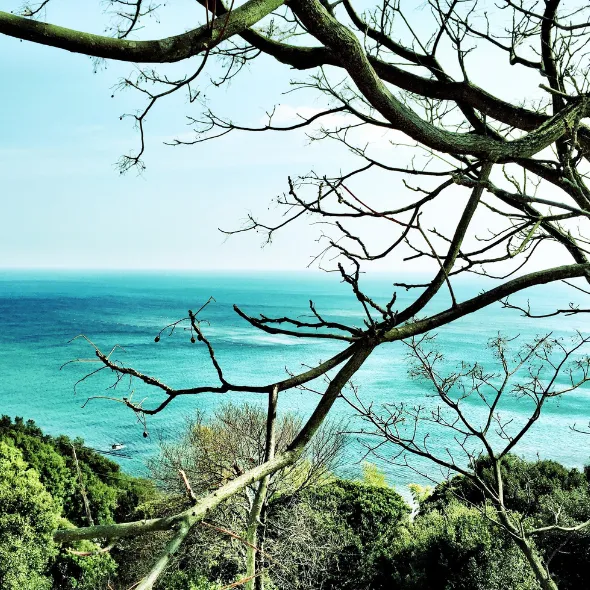
Awaji Island is an interesting place. It’s been the ideal tropical island getaway for many Japanese people due to its weather, food, seaside onsen baths, and a change of pace from the bustle of the city. Yet it’s mostly known for its onions. And the island knows that, too. Along my journey I found onion senbei, onion t-shirts, stickers, plushies, and even onion ice-cream.
Upon investigation, I can confirm Awaji’s onions live up to expectations. And if you ever visit Awaji Island, I urge you not to miss trying an Awaji onion for yourself. In fact, I think it’s near impossible to miss it – trust me, Awaji onions are everywhere.