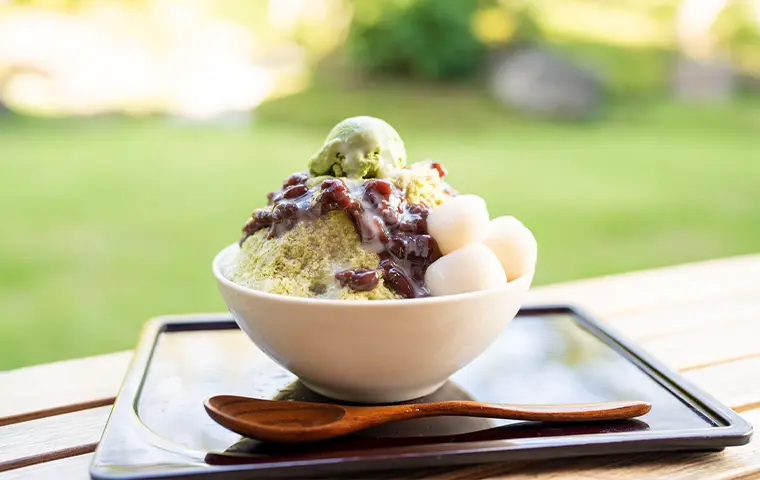
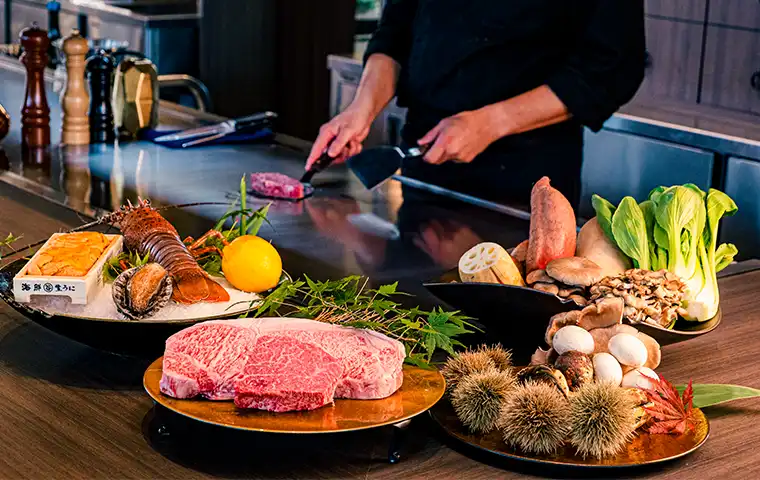
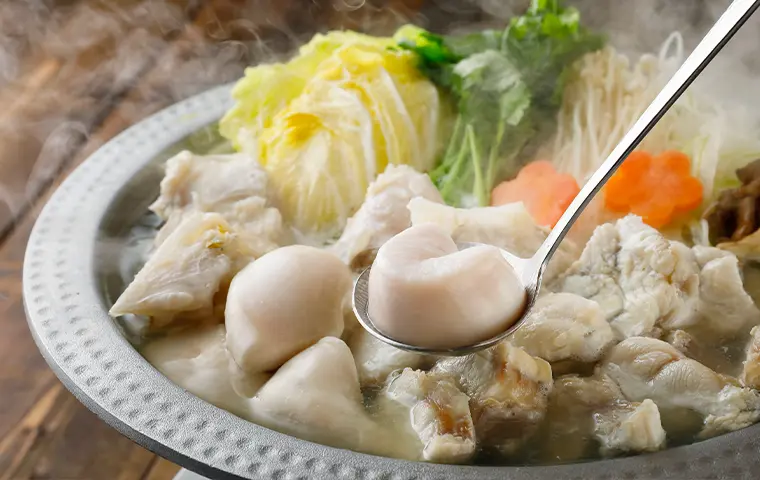
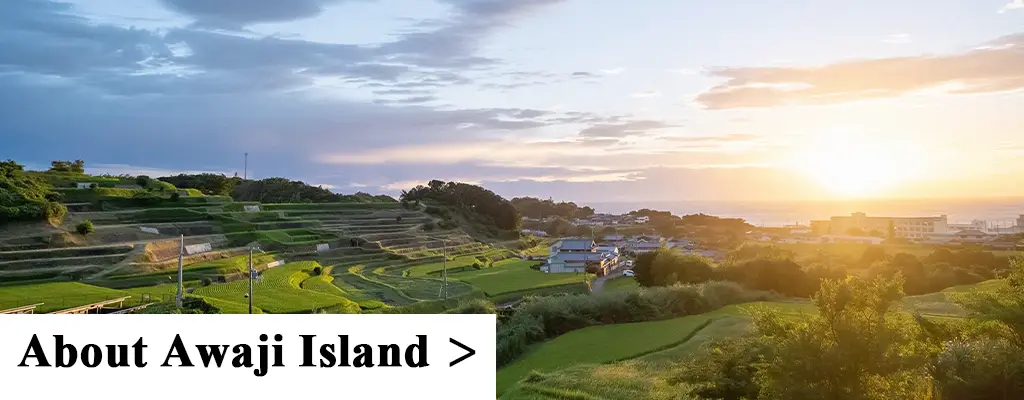
Awaji Island is a treasure trove of food, blessed with an abundance of both seafood and produce from the land.
Since ancient times, Awaji Island has been known as a land of rich culinary resources. It was once called Miketsukuni, a region that supplied food to the Imperial Court. Surrounded by the sea, the island offers exceptionally fresh seafood, along with a wide variety of high-quality ingredients including livestock, vegetables, and fruits.
Discover Awaji Island’s Local Specialties
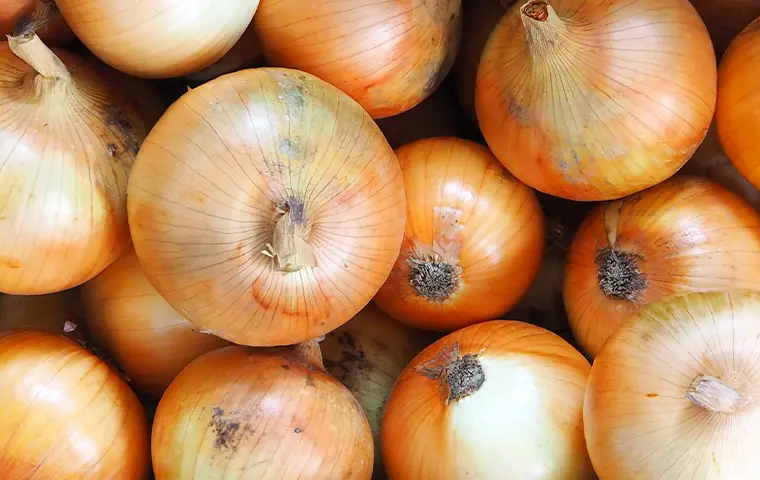
AWAJI ONIONS
Awaji Island’s onions are famous throughout Japan for being sweet, tender, and juicy. Thanks to the island’s long hours of sunshine and its location in the Seto Inland Sea, the soil is rich in minerals, allowing onions grown here to be about 1.4 times sweeter than typical varieties.
In addition to a wide range of delicious dishes featuring these onions, you’ll also find plenty of onion-based products that make perfect souvenirs.
When visiting Awaji Island, trying its onions is an absolute must!
Awaji Island is Japan’s largest production area for Tajima Beef, one of the world’s most prestigious Wagyu brands. Even famous varieties such as Kobe Beef and Matsusaka Beef come exclusively from Tajima cattle born in Hyogo Prefecture. These cattle are traded only at the Awaji Livestock Market and the Tajima Livestock Market, with more than 60% of them raised on Awaji Island.
Among the cattle raised on Awaji Island—nurtured by its gentle sunshine and mineral-rich soil carried by the sea breeze—only those that meet strict certification standards are awarded the title of “Awaji Beef.”
Awaji Beef is known for its exceptionally low melting point fat that melts at body temperature, along with its finely marbled texture. This creates a smooth mouthfeel and a refined sweetness and rich flavor that spreads delicately across the palate.
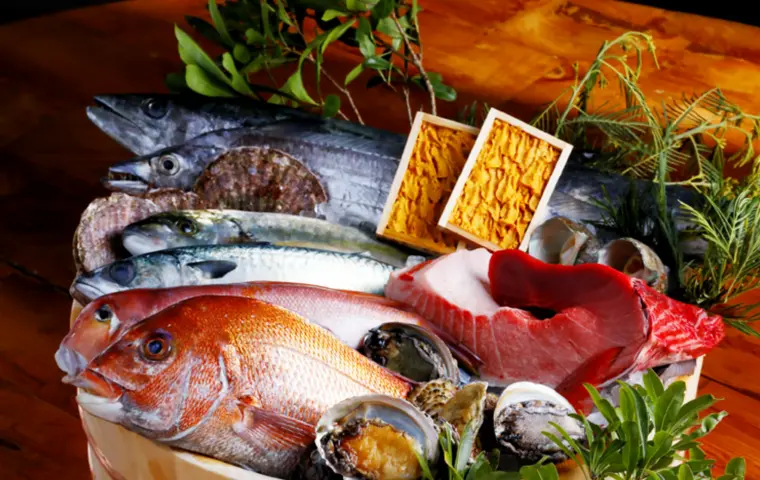
Awaji Island is embraced by some of Japan’s richest marine environments, bordered by the Akashi Strait to the north and the Naruto Strait to the south. The powerful tidal currents flowing through these straits provide natural movement for marine life, tightening the flesh of fish and enhancing their flavor with concentrated umami.
In particular, the famous whirlpools of the Naruto Strait continually stir up nutrients from the seabed, enriching the surrounding waters. This natural cycle nurtures seafood with a perfect balance of fat and a deep, refined taste.
Notable local specialties include fresh whitebait (nama shirasu), cherry salmon (sakuramasu), pike conger (hamo), and three-year-aged tiger pufferfish (3-nen torafugu). With each season comes a new selection of seafood at its finest.
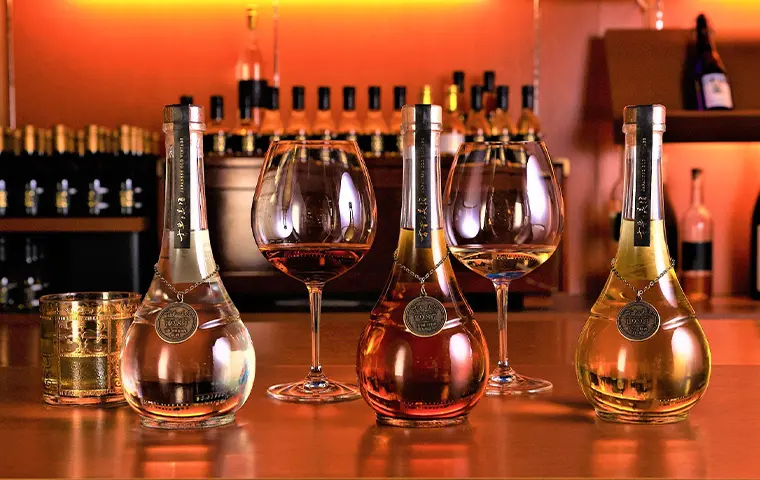
In Japan, there exists a beautifully refined type of sake known as koshu—aged sake that quietly deepens in character over time. “Inishie no Bishu” is a one-of-a-kind brand dedicated to “re-crafting” the value of aged sake. Carefully nurtured across Japan, these matured sakes are further aged and refined in our own cellars, creating entirely new and distinctive expressions.
Feature 1: Expert Selection by a Sake Sommelier from Over 100 Breweries Nationwide Traveling across Japan, the brand sources rare aged sakes from more than 100 breweries. From these, only the finest selections are chosen by a certified kikisakeshi (sake sommelier), ensuring exceptional quality in every bottle.
Feature 2: Commitment to Long-Term Aging of at Least 10 Years In general, the longer sake is aged, the more depth it gains in both flavor and aroma. Inishie no Bishu specializes exclusively in ultra-long-aged sake, ranging from a minimum of 10 years to nearly 40 years. This dedication allows you to experience the true essence of authentic aged sake.
If this content interests you or you are planning a trip to Awaji Island,
please don’t hesitate to reach out through our “Contact Us Now to Book Your Trip” section
at the bottom of the page!
Awaji Island offers a diverse range of culinary experiences shaped by its rich bounty of local ingredients, many unique to the island.
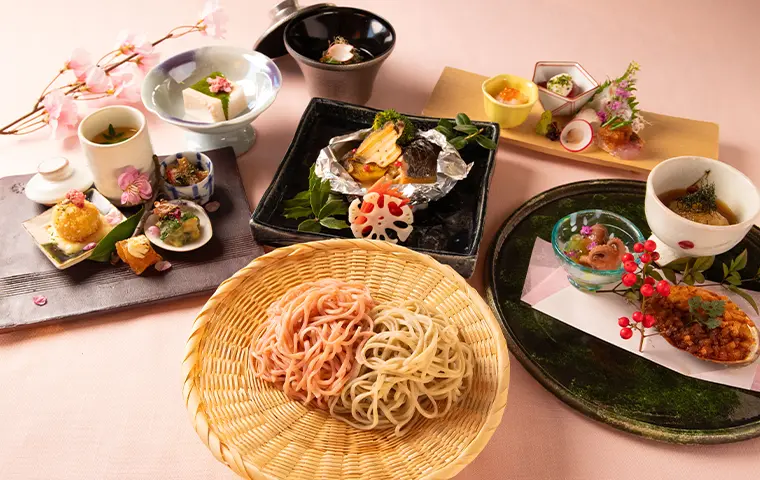
One of the highlights of visiting Awaji Island is its rich food culture. Historically known as Miketsukuni—the “Land of Food” that once supplied the Imperial Court in Kyoto—the island presents a wealth of high-quality dining experiences. From casual lunches and cafés to refined dinner spots, you’ll find a wide range of carefully selected culinary destinations to explore.
Use the guide below to help you make the most of your visit.
Seasonal Highlights on Awaji Island
Spring Delicacies
Spring is the season for freshly harvested new onions, along with seafood such as cherry salmon and a variety of wild mountain vegetables.