
Table of Contents
The Island Where Japan Began
Awaji Island is located in Hyogo Prefecture, between Honshu and Shikoku, the two main islands of Japan. The island is separated from Honshu by the Akashi Strait and the Seto Inland Sea, and from Shikoku by the Naruto Strait.
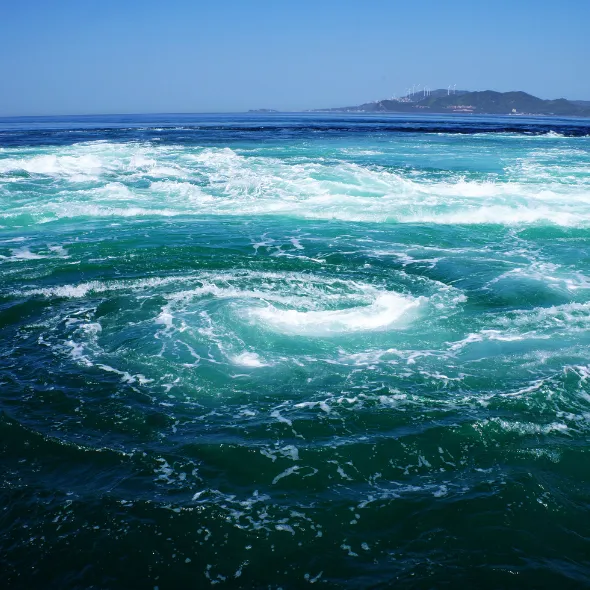
A popular travel destination, Awaji Island is known for its Naruto whirlpools, proximity to the Seto Inland Sea, mild climate, magnificent food, ocean scenery, stunning views, and sunsets (ranked one of Japan’s Top 100 Sunsets).
But did you know that Awaji Island has an important place in the history of Japan? Its strategic location made it more than simply a place between regions—it became part of Japan’s history itself. From ancient settlements and samurai castles to railways, earthquakes, and modern engineering, the story of Awaji Island reflects many of the changes that shaped Japan.
Awaji Island in Japanese Mythology
According to Japan’s oldest historical books, Kojiki (古事記) and Nihon Shoki (日本書紀), Awaji Island holds a special place in Japanese mythology. According to ancient texts, Awaji Island was the first land created by the gods Izanagi and Izanami when they founded Japan. This connection remains deeply rooted throughout the island today. In fact, many people come to Awaji Island to visit Izanagi Shrine, or Izanagi Jingu, said to be where the god Izanagi no Mikoto spent his later years after the founding of the nation.
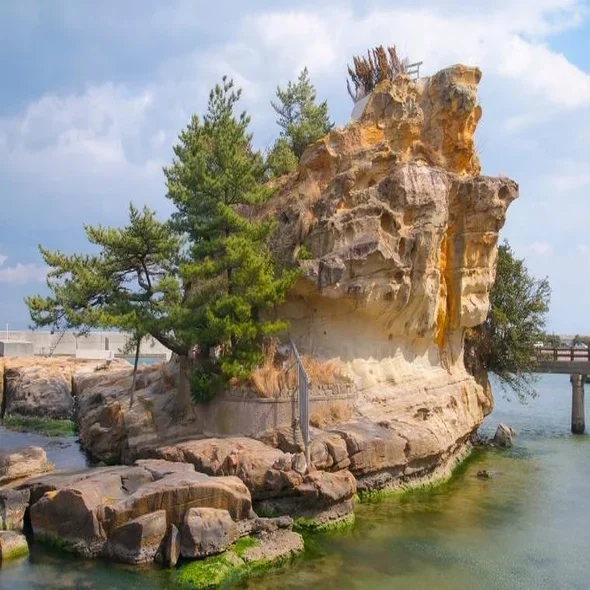
Because of this connection, Awaji Island occupies a special place in Shinto creation mythology as the first island born during the creation of Japan. Some traditions also associate the small island of Eshima, located near Iwaya Port on Awaji Island, with this story, giving it spiritual significance as well.
Inside Izanagi Jingu stands the sacred camphor tree, named Meoto-ookusu (夫婦大楠), estimated to be over 900 years old. Formed over centuries from the gradual fusion of two trees, this tree symbolises marriage, relationships, and longevity, representing the deep connections between nature, spirituality, and daily life that shape Awaji Island.
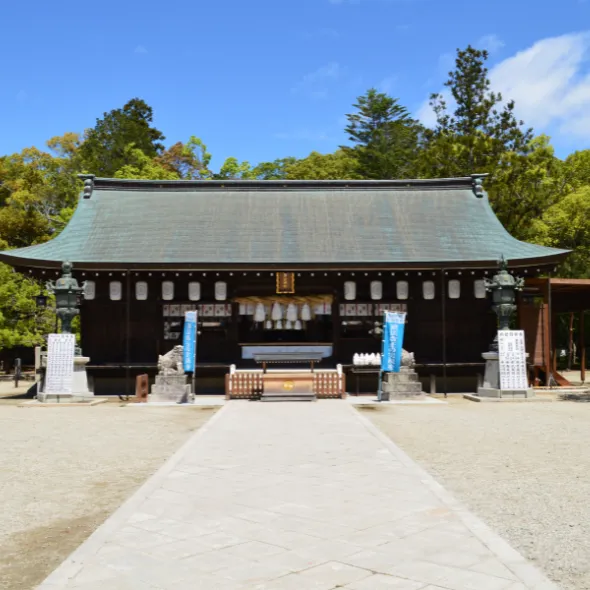
Because of these, Awaji Island is often called “the birthplace of Japan.”
A Key Island for Industry and Food
Since ancient times, Awaji Island has been an important transportation hub.
The name Awaji (淡路) literally means “the road to Awa,” referring to a historical trade route connecting the Kansai region with the present-day Tokushima.
Ships travelling between Honshu and Shikoku passed through the area, bringing different people and cultures.
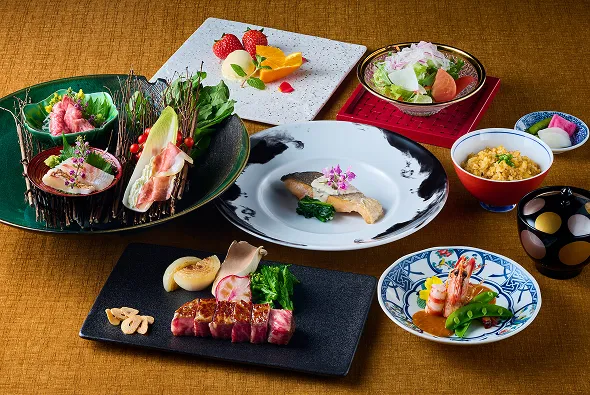
The island was also an important food supplier. Throughout history, it has been named as Miketsukuni (御食国)—the “Land of Food”—renowned for supplying the Imperial Court in Kyoto with an abundance of exceptional seafood, beef (Wagyu) and agricultural produce, such as onions. Nowadays, Awaji Island is also affectionately known as Onion Island.
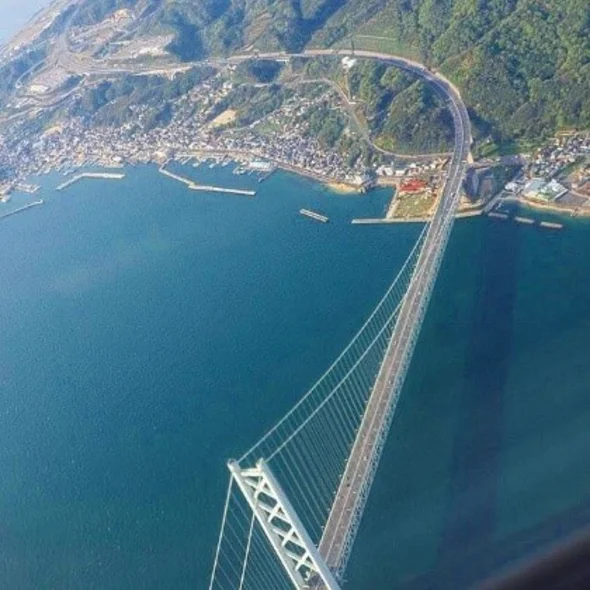
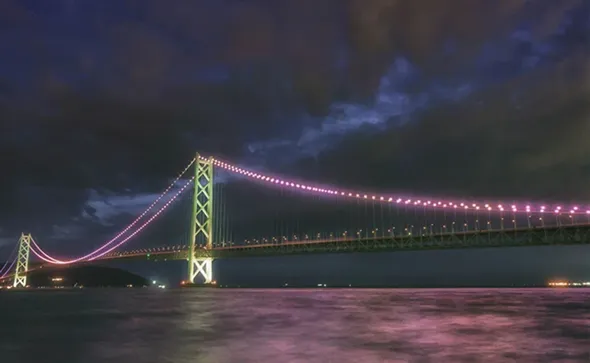
Today, the islands are connected by the Kobe-Shikoku Expressway and two massive suspension bridges, including the Akashi Kaikyo Bridge. This bridge—one of the world’s longest suspension bridges—is also nicknamed Pearl Bridge for its beautiful appearance and illumination.
Pre-history
Awaji Island was more than just a transit point. Archaeological discoveries have revealed that people have inhabited this area for thousands of years, making the most of its fertile land, coastal resources, and access to inland maritime trade routes. Ancient settlement sites dating back over 2,000 years reveal a community that produced pottery, used stone tools, and built thriving villages throughout the island.
A particularly noteworthy discovery is the hill settlement of Gossa Kaito Iseki, which existed during the late Yayoi period, 1,800–1,900 years ago. Archaeologists have found evidence that this settlement was a center of iron production, with more than half of the excavated buildings believed to have functioned as blacksmiths’ workshops. Iron ore imported from the Korean Peninsula was processed here into tools and equipment, indicating Awaji Island’s important role in the early regional trade network.

Furthermore, the discovery of communities that produced salt in coastal areas during the Kofun period shows how people adapted to the surrounding environment of the Seto Inland Sea.
Awaji Island in the Samurai Era
During the Nara Era (from 710 to 794), the Heian Era (from 794 to 1185), the Kamakura Era (from 1180 to 1185), and the Edo Period, Awaji Island was involved in many conflicts related to the struggle for power between the emperors, the shogunate and their subordinates.
Due to its geographical position and close proximity to Osaka, Awaji Island was extremely important to the rulers of the time, as it was directly in front of the sea route to Osaka. During the Sengoku period, Oda Nobunaga (織田信長), a daimyo (feudal lord), conquered Awaji Island, and his successor, Toyotomi Hideyoshi (豊臣秀吉), heavily fortified it. Hideyoshi expanded Sumoto Castle to protect Osaka Castle and strengthen his economic base.
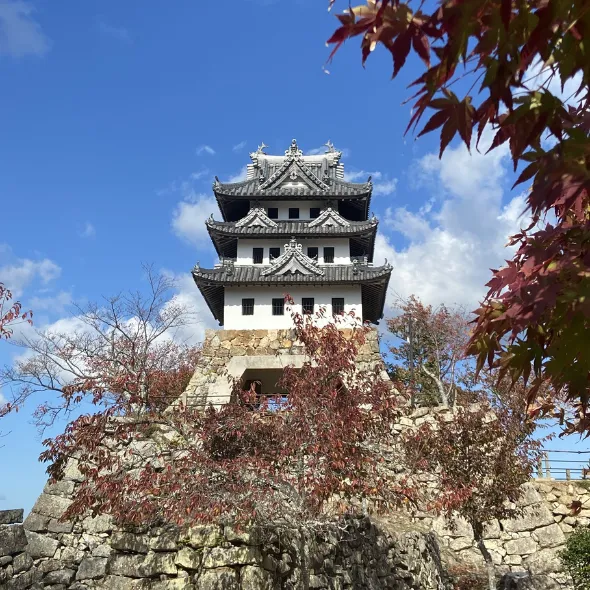
This island was ruled by powerful feudal lords, the most famous of whom was Wakizaka Yasuharu (脇坂 安治). Wakizaka, one of the famous “Seven Spears of Jagatake,” commanded the Awaji navy during Hideyoshi’s campaigns, and later defected to the Tokugawa side, which won the decisive Battle of Sekigahara in 1664. This battle is often regarded as the most important battle in Japanese history, as it marked the start of the Edo period, and more generally, the return of stability to Japan.
The samurai era shaped much of Japanese culture, influencing values such as discipline, dedication, craftsmanship, and group harmony that are still evident in Japan today. During this period, new forms of entertainment and art also flourished, including a form of puppet theatre known as Bunraku.
The Origins of Puppet Theatre (Bunraku – 文楽)
Japanese puppet theatre, officially known as Ningyo Joruri Bunraku, was developed by combining three traditions: puppetry, dramatic storytelling (joruri), and music played on the shamisen. Created as entertainment for ordinary people, the art form grew rapidly in the merchant cities of Osaka and Kyoto during the 17th century.
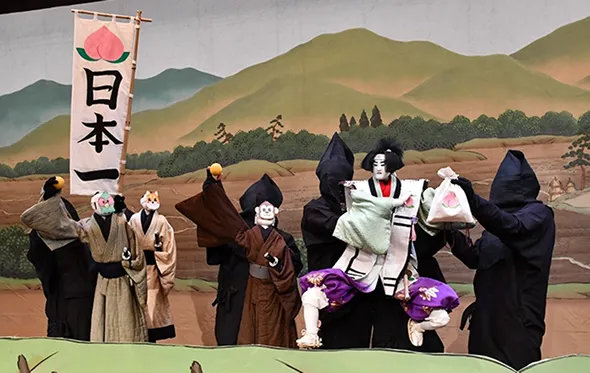
Playwright Chikamatsu Monzaemon and storyteller Takemoto Gidayu helped transform puppet performances into complex dramatic productions that attracted large audiences. Today, Bunraku remains one of Japan’s most famous traditional performing arts and is recognized as a UNESCO Intangible Cultural Heritage.
From Modern Times to Today
As Japan rapidly modernized during the Meiji Era (late 19th and early 20th centuries), Awaji Island also changed. Factories appeared; coastal areas expanded through land reclamation, and new infrastructure transformed everyday life. Among these changes was the arrival of railways, which strengthened Awaji’s long-standing role as a connection point between Kansai and Shikoku.
In 1922, the Awaji Railway opened, creating a route across the island between Sumoto and Fukura. Travelers heading from Osaka toward eastern Shikoku could combine trains, boats, and the railway to cross Awaji Island before continuing to Tokushima.
Although the railway stretched only 23 kilometers (about 14.29 mi), it became an important transportation link during an era before bridges connected to Honshu and Shikoku. Over time, however, improved roads and increasing car ownership reduced the need for railway travel, and the line closed in 1966.
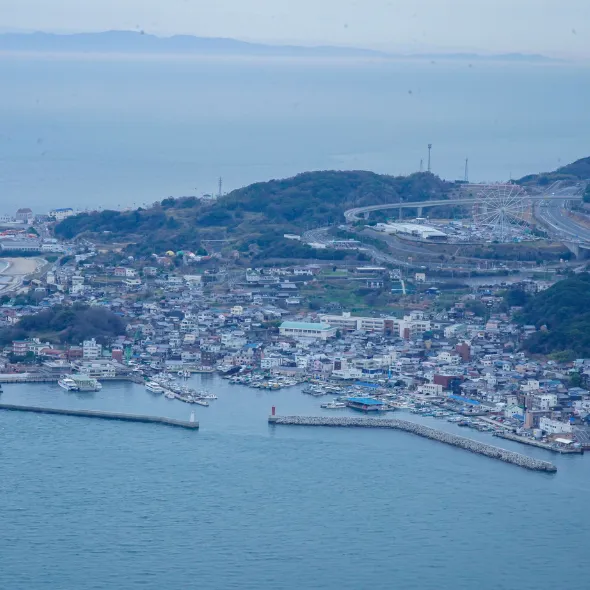
Today, little remains of the railway itself, but traces of this forgotten transportation network can still be found through preserved structures, historic photographs, and museum collections across Awaji Island.
After the Meiji period, Awaji Island became part of Hyogo prefecture.
In 1998, the Akashi Kaikyo Bridge was completed, connecting the island to the main island of Honshu. This connection greatly improved tourism and industry.
The modern history of Awaji Island was also significantly shaped by the Great Hanshin Earthquake in January 1995. With its epicenter near the island’s northern coast, the disaster caused widespread damage across Awaji, creating visible fault lines and changing parts of the landscape within seconds.
Although the island suffered heavy damage, Awaji recovered quickly. Today, reminders of the earthquake remain at preserved fault sites and memorial spaces at Awaji’s Earthquake Museum, which remember those who lost their lives.
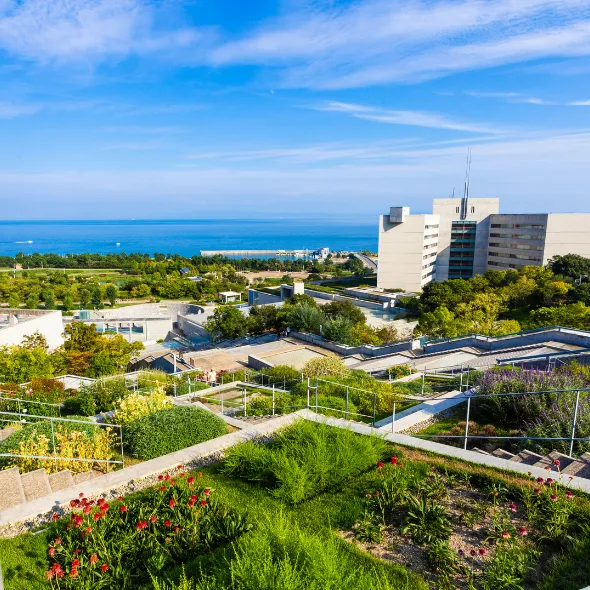
One of the most visible symbols of recovery is Awaji Yumebutai. Originally planned as a redevelopment project on the site of a former quarry, the project took on new meaning after the earthquake. Architect Tadao Ando expanded the vision, creating a space that would help support Awaji’s recovery and future growth.
Opened in 2000, Awaji Yumebutai became one of Awaji Island’s most recognizable landmarks, combining gardens, hotels, restaurants, and public spaces overlooking the sea. Today, it stands not only as a major destination but also as a symbol of how Awaji Island was rebuilt and transformed after the disaster.
An Island Where History Lives On
Today, Awaji Island remains a place where mythology, history, and everyday life exist side by side.
Visitors can explore ancient shrines, castle ruins, archaeological sites, and landscapes shaped by centuries of history. From stories of gods and samurai to modern landmarks and local culture, Awaji Island continues to connect Japan’s past with the present. For fans of history, Awaji is a unique destination you won’t want to miss.